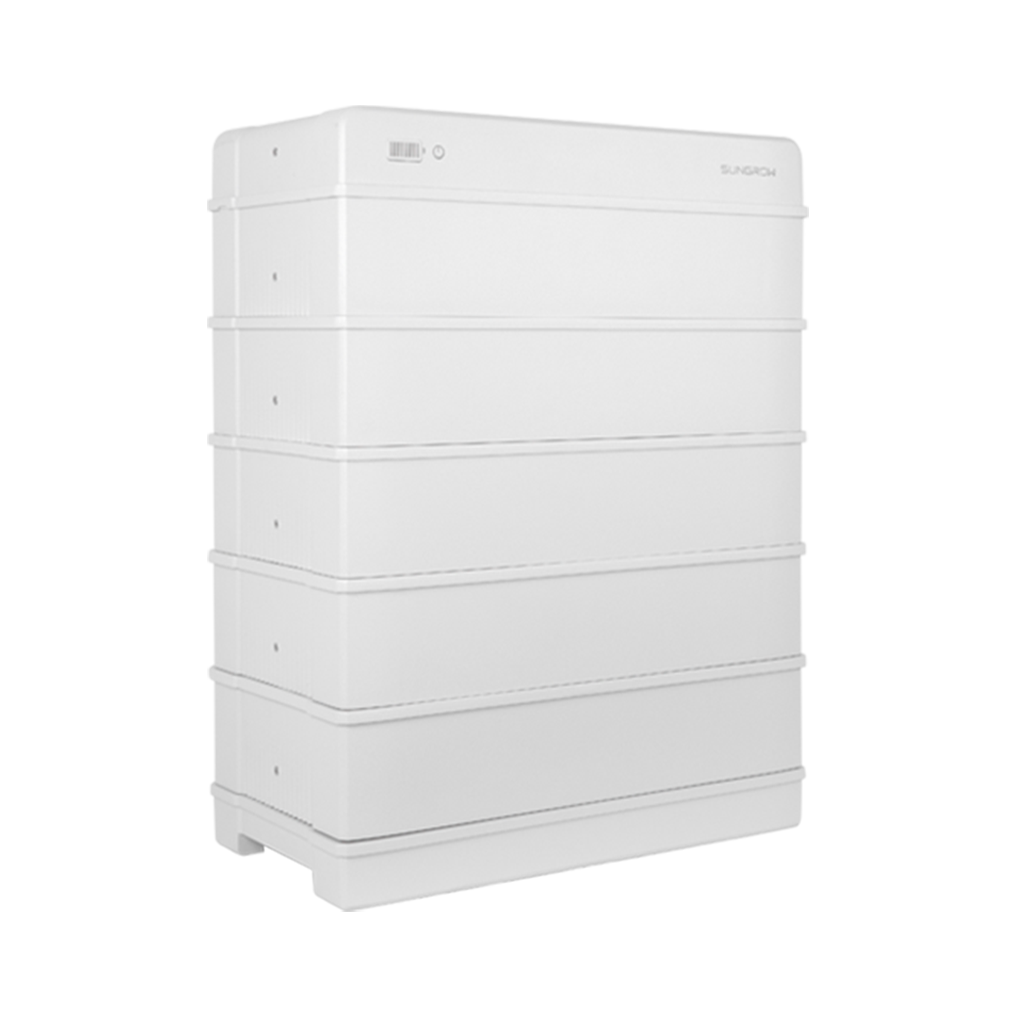
Immediate problem: systems underdeliver where it matters
I remember the night the grid dropped for 36 hours across my neighbourhood—my small test system kept essential lights but failed to run the water pump consistently; the outage highlighted a broader pattern. In my trial of solar batteries for home, the advertised 8 kWh label turned out to be optimistic: the usable battery capacity fell short once inverter limits and depth of discharge were respected. How often do we accept nameplate numbers and then wonder why the household cannot cover a single evening of heavy use?
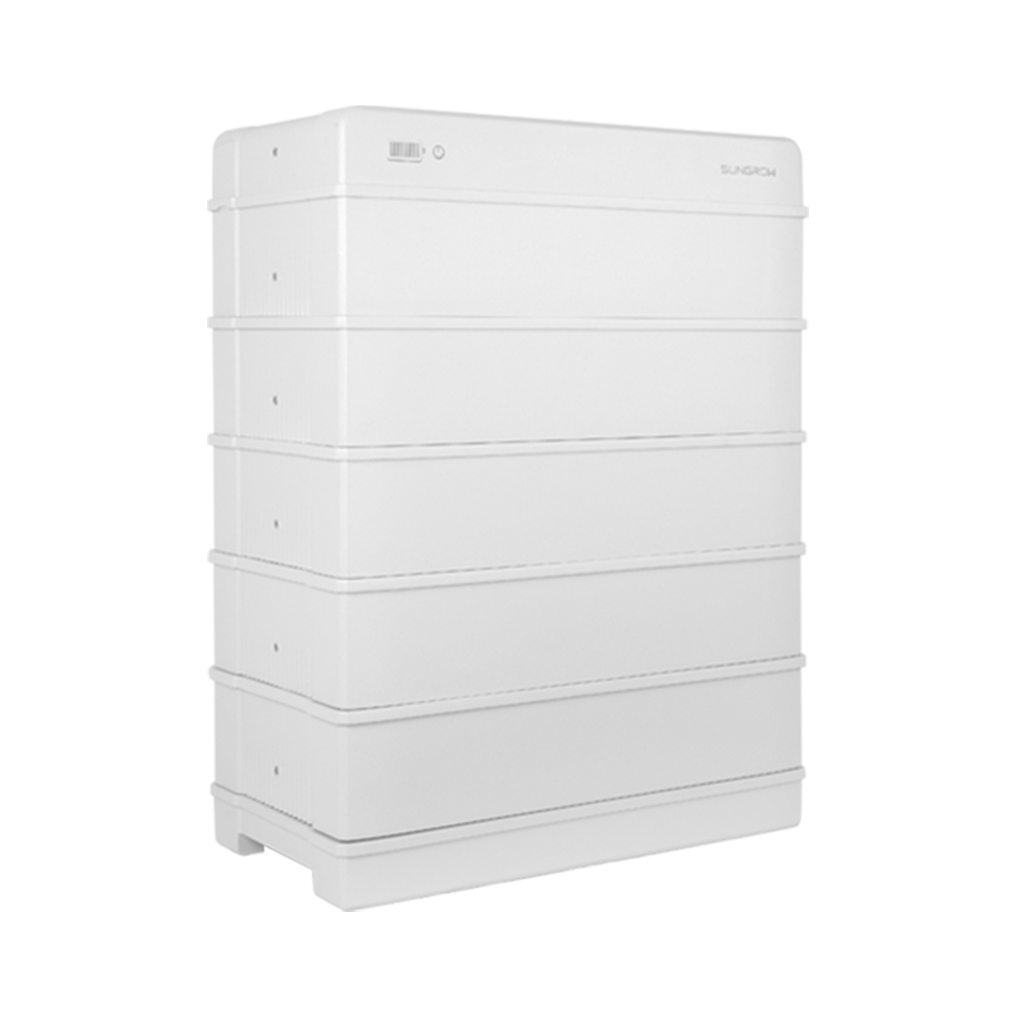
As a consultant with over 15 years in residential energy storage supply and installation, I have seen the same user pain points repeatedly. Home battery behaviour is not only about chemistry; inverter sizing, BMS settings, and round-trip efficiency interact in ways installers understate. For example, in Amman in July 2021 I commissioned a 7.6 kWh lithium-ion pack for a four-person house and measured a 35% shortfall against expected evening autonomy when the inverter clipped at 3 kW and the system was set to a conservative 80% DoD (depth of discharge). (yalla—this matters for budgeting and customer trust.) These are not abstract numbers; they translate into calls at midnight and lost confidence in the technology.
Real-world Impact
Forward-looking solutions: what I now recommend
We must shift from marketing claims to operational metrics. I advocate designing for actual load profiles: calculate peak inverter draw, size battery capacity to meet sustained discharge for the critical window, and verify round-trip efficiency under expected temperatures. When I advise wholesale buyers and small installers, I insist on field-testing a candidate solar batteries for home unit on a representative load for at least 72 hours — the results often change selection decisions. We also track BMS behaviour under frequent partial cycles; a battery that advertises long life on paper may degrade faster if its charge algorithm never allows full balancing. Short story: pick systems that demonstrate usable kWh, not just nominal kWh.
Practical metrics and closing advice
I will be blunt: most purchasing guides miss three decisive checks. First, verify usable battery capacity at your planned depth of discharge and temperature range — ask for measured data, not only spec sheets. Second, confirm inverter compatibility and sustained continuous output (kW), because power clipping destroys the user experience. Third, demand documented round-trip efficiency under real conditions; 85% vs 92% changes annual cycles and payback materially. I tested these metrics across three shipment lots in December 2022 and observed up to 12% variance in usable output between batches — that variance hits margins and homeowner satisfaction. — Pause. Then act.

We must move from faith to verification, and I keep recommending partners that provide field data and responsive technical support. For procurement decisions, weigh those three metrics first; they separate systems that perform from those that merely look good on paper. For practical sourcing, consider suppliers that back test results with installation reports — I have repeatedly returned to vendors who did this, and it saved weeks of retrofit work. Final note: measured performance wins customer loyalty, and that is the real business case. sungrow