Introduction
I was once on a slow river run near the Mekong and the motor died halfway — a proper headache for everyone on board. An electric motor was supposed to be quiet and reliable, yet we lost almost an hour while troubleshooting (and yes, people were hungry). Recent surveys of small-boat operators suggest range shortfalls and unexpected heat trips happen to roughly one in four outings, so I keep asking: why do these systems fail when the trip matters most? I’m going to walk you through what I see on the water, with plain talk and some simple numbers to anchor things — next, let’s peel back the cover and look under the hull.
Deep Faults: Why Old Fixes Don’t Solve Modern Problems
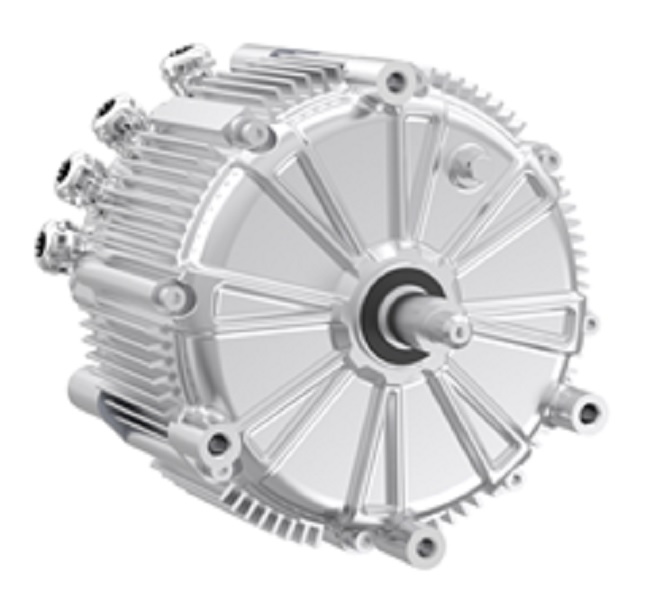
When I say electric boat motors, I mean the kind used on day boats and river taxis — the electric boat motors you see on many local fleets. At first glance, the usual fixes sound right: more battery, bigger wiring, heavier cooling. But those are band-aids. The real trouble lives in how torque demands, inverter control, and thermal limits interact over a long run. I’ve tested systems where the inverter would throttle because the rotor temperature crept up slowly — not dramatic, just enough to cut power when we needed it most. That’s not a single-component failure; it’s a system mismatch.
What part of the system is the real culprit?
Look, it’s simpler than you think: mismatched power converters, poor heat path from stator to hull, and control software tuned for short bursts, not continuous loads. These cause gradual performance loss. I’ve seen crews add oversized batteries to solve range problems, only to find the batteries stress the BMS and the inverter — so the motor still slows. My judgement: we keep treating symptoms because it’s cheaper up front. But over time, those quick fixes cost trips, safety, and trust.
Looking Forward: Better Principles and Practical Steps
We need to shift to new design principles for electric motors on boats. That means thinking beyond just rotor and stator specs. For me, the game-changers are smarter inverter algorithms, proper thermal architecture, and integrated battery-management (BMS) strategies that talk to propulsion controls. When control logic predicts a long, steady draw, it can manage torque and keep the inverter inside its sweet spot. I like solutions that combine simple sensors with predictive rules. They are reliable and — honestly — cheaper over the life of the craft.
What’s Next?
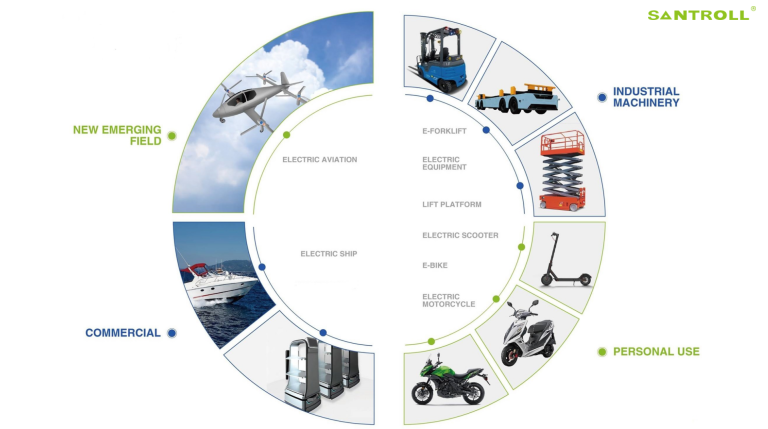
Case studies show promising gains: one retrofit that added a modest cooling plate, a refined inverter profile, and updated BMS rules extended continuous cruise time by nearly 30% — funny how that works, right? We should evaluate designs by measurable metrics: sustained torque at temperature, inverter efficiency under cruise load, and real-world range under typical passenger loads. I recommend teams test with realistic routes, not just lab cycles. In closing, choose systems that balance components instead of just upsizing one part. If you want a place to start, look at vendors that provide full-system thinking, such as Santroll. I believe that with the right approach, electric motors on boats will stop being a gamble and become the quiet, dependable workhorses we need.