Problem-driven opening: the quiet crisis of wasted heat
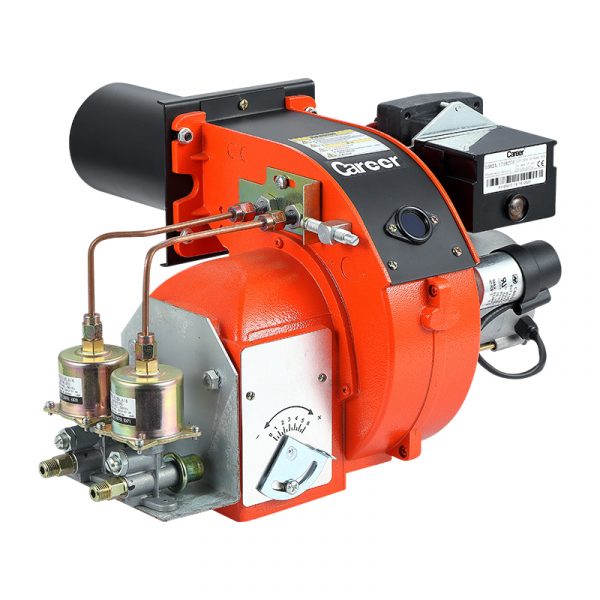
The world leans on flame and fuel with a weary grace, and when an oil burner wastes heat it feels like a small betrayal of engineering’s promise. Plants and boilers that use poorly tuned burners squander fuel, increase pollutants, and demand reparative downtime. Some operators look to alternatives—electrification, fuel switching, or even a methanol burner—yet the core problem persists: many installations are built around suboptimal combustion practices and mismatched hardware. Solve that foundational mismatch and you fix a long list of downstream failures.
Why efficiency is not optional
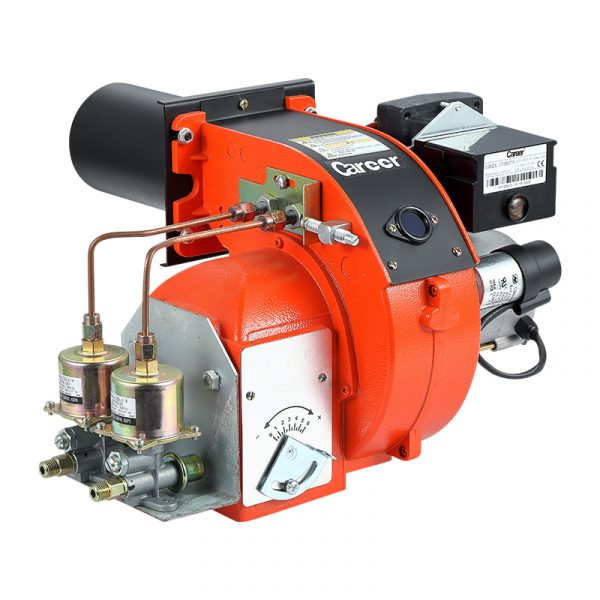
Efficiency reduces fuel use per unit of heat. That simple truth translates into predictable benefits: lower operating cost, reduced soot and CO emissions, and extended refractory and exchanger life. When efficiency falls, fouling increases, sensors drift, and control loops chase a moving target. The result is more maintenance, more unplanned outages, and emissions slipping past permit envelopes. Engineers who treat efficiency as a design target avoid repeated crises; those who treat it as an afterthought inherit them.
Technical roots of poor combustion
Common causes are straightforward: bad atomization, excessive excess air, unstable flame shape, and poor thermal integration. Oil droplets that are too large carry unburned fuel into the flue; excess air cools the flame and raises stack losses; misaligned burners create hot spots and accelerated corrosion. Each flaw is measurable and correctable, yet they compound if ignored. Addressing nozzle selection, airflow control, and burner modulation yields immediate returns.
Alternatives evaluated—what they solve and what they don’t
Natural gas often offers cleaner baseline combustion and easier control, but pipeline access and price volatility limit its reach. Electrification removes on-site combustion entirely but shifts load to the grid and may be impractical for high-temperature industrial processes. Methanol systems can reduce certain emissions and permit fuel flexibility; they require compatible burners and safety systems. None of these options cancels the need for good combustion design: regardless of fuel, the same physical problems—mixing, residence time, and heat transfer—must be solved.
Common pitfalls and mistakes to avoid
Operators repeatedly make the same errors: choosing a burner by price rather than performance data, skipping stack loss measurements, neglecting regular nozzle inspection, and omitting closed‑loop combustion controls. Another frequent mistake is assuming “one-size-fits-all” for turndown requirements; processes with variable load need burners and controls that modulate without smoking or flashback. Fix these process-level choices and you cut fuel bills and emissions at once.
Real-world anchor: regulatory push and practical trials
The shipping and industrial sectors reacted sharply to the IMO 2020 sulphur cap, which drove interest in alternative marine fuels and forced practical trials of different combustion solutions; that regulatory shift provides a clear industry pivot toward fuels that demand precise burner design. Field reports from northern European shipyards and industrial testbeds show that retrofits and dedicated designs perform best when paired with tailored controls and validated fuel-handling systems—lessons directly relevant to methanol burner technology. Those trials underline a simple point: real-world performance matters more than theoretical appeal.
Practical selection and tuning guidelines
Choose a burner by measured performance: look at real turndown curves, verified NOx and CO numbers, and documented stack loss figures. Prioritize atomizer type suited to the fuel viscosity and operating temperature. Implement feedback combustion control with accurate O2 and CO sensing and adopt staged firing or modulation rather than crude on/off cycling. Schedule nozzle inspection intervals and record baseline flue analysis after commissioning so deviations are obvious and fixable.
Concluding synthesis
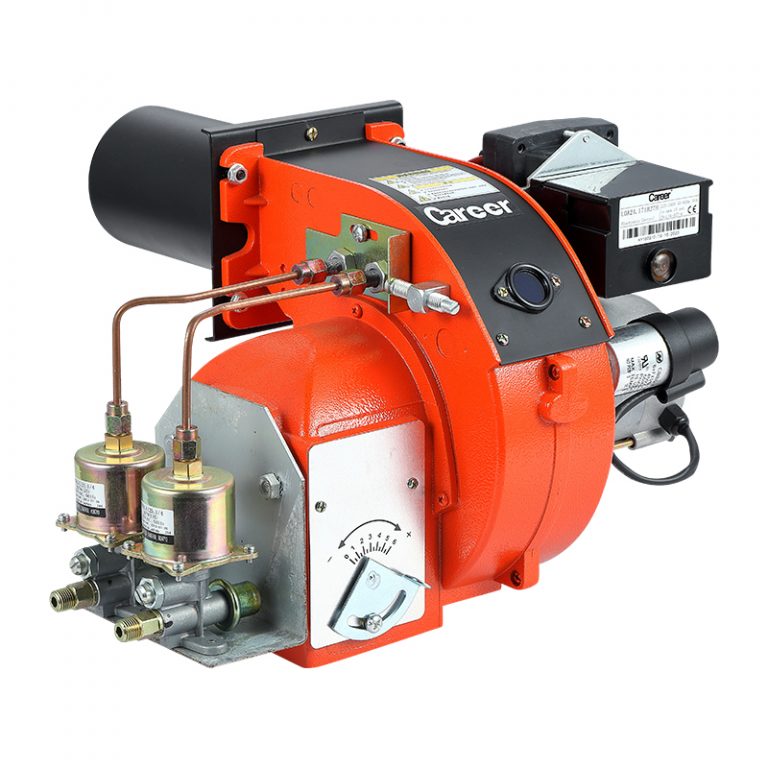
High-efficiency oil burners are not nostalgia; they are pragmatic solutions to tangible problems—fuel cost, emissions, and plant reliability—that persist across fuels and sectors. Treat combustion as measurable craft: specify correct hardware, validate performance on site, and maintain disciplined tuning. Those steps restore dignity to the flame and deliver consistent outcomes that engineering teams and operations managers trust, as reflected in the applied work visible through industry trials and product development at Career Burners.