Introduction — The Cost You Don’t See
Fume extraction failures drain budgets faster than most managers expect. In many print shops and production lines, fume extraction products sit in the background of operations, assumed solved until they’re not. (I’ve walked into shops where VOC alarms blink and the team shrugs — that’s a scenario you can’t ignore.) Industry reports often show airborne VOC spikes near solvent-based printers and short-term productivity drops when systems underperform. So what exactly are we paying for — and what are we not getting?
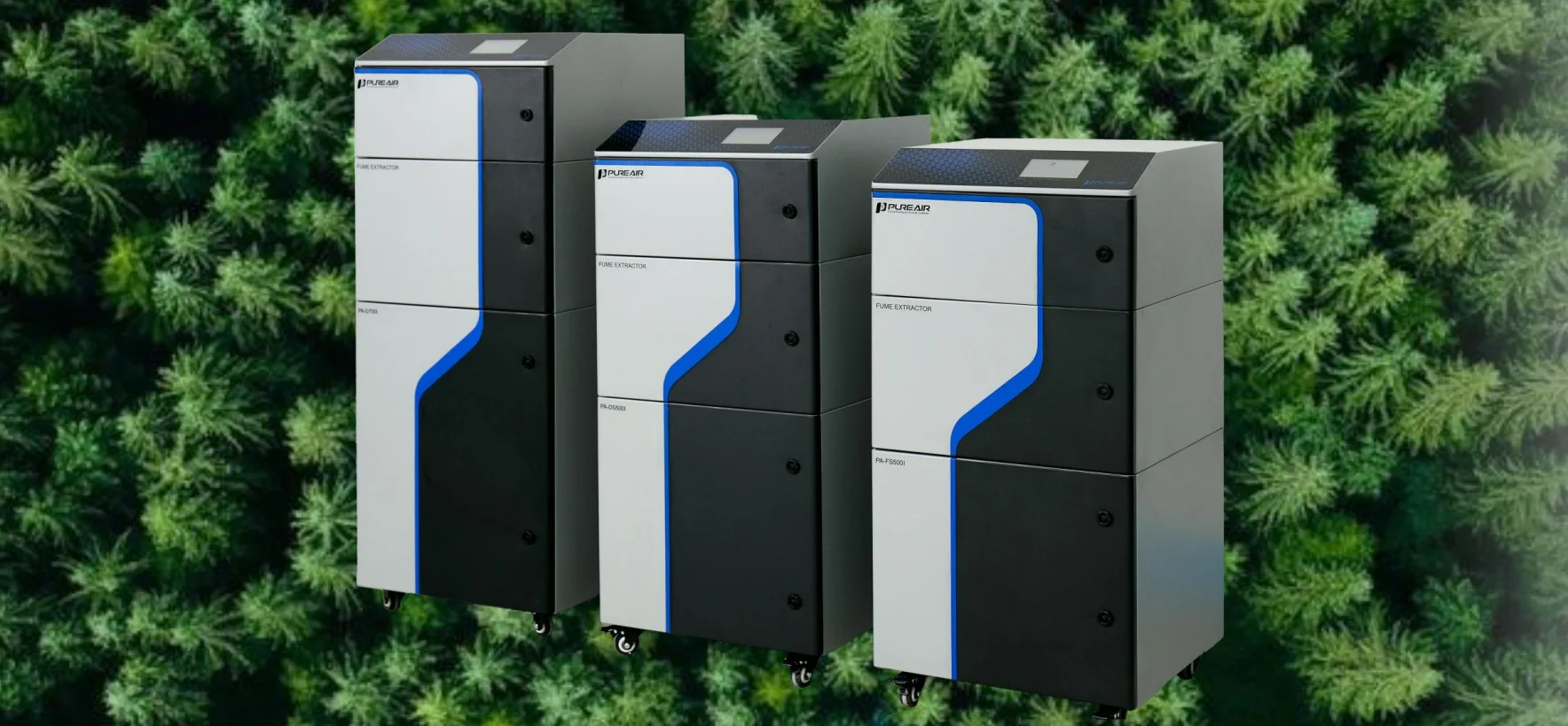
I want to be blunt: poor capture and hidden maintenance eat margins. When an extraction system under-delivers, costs show up as higher downtime, hazard mitigation, and regulatory headaches. We’ll step through why common fixes fail, and then look ahead to smarter choices that protect staff and the bottom line. Next, let’s unpack the flaws that routinely repeat across shops.
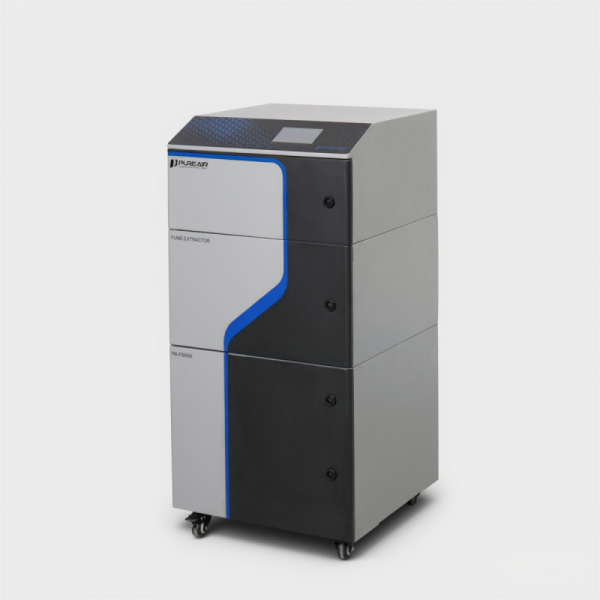
Why Traditional Systems Fall Short
My main gripe is this — most teams treat fume extraction like a one-time purchase. Early on I learned that solvent printer fume extraction needs a systems mindset. Too often facilities install a canopy or a basic filtration cabinet and call it done. In reality, capture efficiency depends on placement, airflow balance, and matched components (think HEPA filters and activated carbon beds). When those parts aren’t tuned to the printer’s plume or the ductwork has leaks, contaminants escape. That’s not theoretical. I’ve measured workplaces where capture dropped by half simply because an extraction arm was angled wrong — small things matter.
Where does the chain break?
Look, it’s simpler than you think: bad design, inconsistent maintenance, and under-specified fans are the trio that wreck performance. Fan speed controllers set too low to save energy. Filters replaced on calendar, not condition. Ductwork with sharp bends that choke flow. The result: VOC sensors trip, staff complain, and productivity stalls. We also overlook disposal costs for saturated activated carbon and the noise impact of overworked blowers — both real pain points. I admit I’ve been surprised by how emotional teams get about noise and smell; it affects morale more than managers budget for — funny how that works, right?
Looking Forward: Practical Upgrades and Metrics
Now let’s shift to practice. I prefer learning from cases. Recently, a mid-sized print house retrofitted local extraction hoods, upgraded to variable-speed fans, and added inline VOC sensors tied to a simple control logic. The change wasn’t dramatic in capex, but operations improved: fewer complaints, steadier print runs, and filter life that matched projected budgets. That case proves a point — targeted fixes beat blanket replacements. Also — and this matters — regular airflow balancing and basic commissioning make commercial systems behave like intended equipment, not noisy paperweights.
What’s Next?
For teams choosing upgrades now, consider three evaluation metrics I trust: capture efficiency at the source (measure with a smoke test), operating cost per print hour (energy + filter replacement), and compliance margin (how far below regulatory limits your system runs). Use those numbers to compare vendors and justify spend. Weigh lifecycle costs over sticker price. And be human about it: staff comfort matters for retention and speed. If you want a partner that’s been through the retrofit cycle, check practical suppliers who understand both filters and control logic — you’ll avoid the usual rework.
When you map these metrics to decisions, you make smarter bets. I’ve seen shops reduce unexpected downtime and lower VOC excursions simply by adding scheduled commissioning and smarter controls. In short: measure capture, track operating cost, and plan for proper filter disposal. That’s my compact advice — clear, actionable, and frankly overdue in many places. For real-world products and services, consider looking at solutions from PURE-AIR.