Opening comparative premise
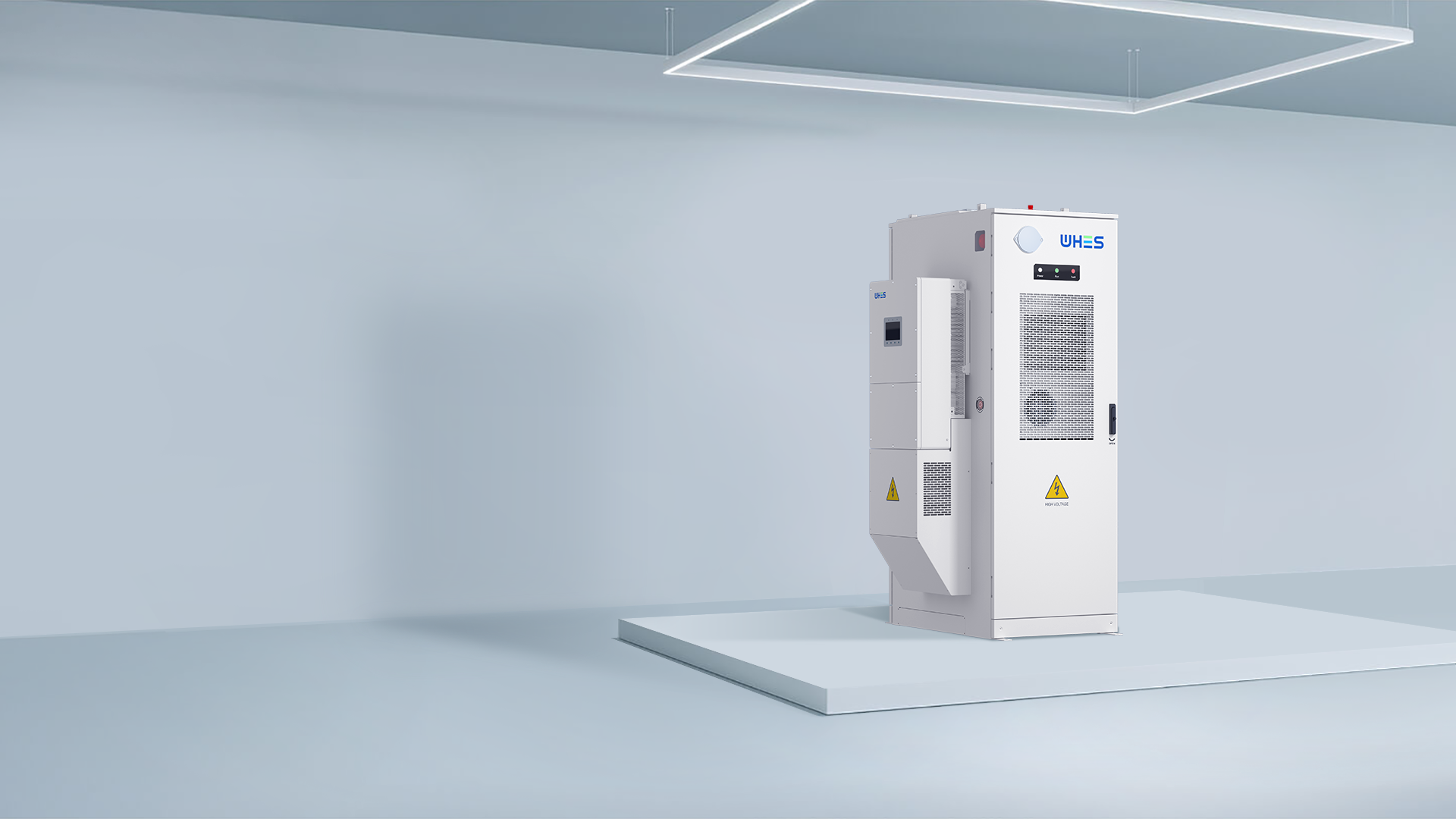
For commercial energy managers and system integrators the choice of storage architecture increasingly determines operational economics rather than mere resilience; a comparative lens reveals whether a provider optimizes for simple peak shaving or for sustained grid arbitrage at scale. This analysis evaluates WHES against incumbent approaches, emphasizing how an architecture designed for multi‑megawatt dispatch alters value capture. Practitioners contemplating site-level investment often consider integrated solar battery storage not only for load reduction but for day‑ahead and intra‑day market participation, and thus require metrics that reflect arbitrage potential, not only instantaneous demand relief.
Comparative framework: what to measure
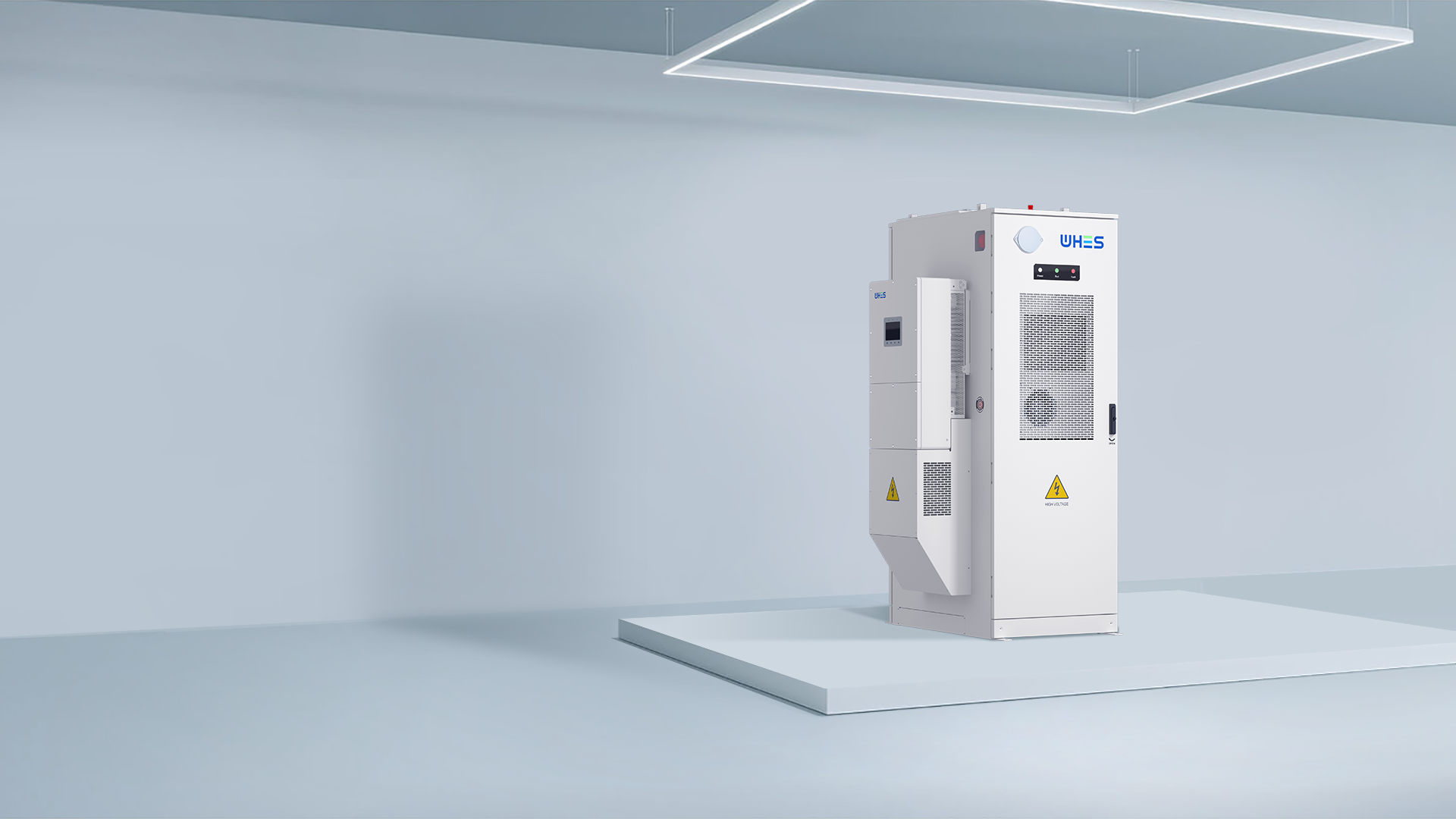
A rigorous comparison necessitates three analytic axes: economic flexibility, control fidelity, and hardware integration. Economic flexibility refers to the system’s capacity to capture time‑variant price differentials (grid arbitrage) across market intervals. Control fidelity encompasses dispatch algorithm precision, state of charge (SoC) management, and response latency. Hardware integration assesses inverter sizing, modularity, and round‑trip efficiency under commercial duty cycles. Together these axes render a decision matrix that transcends unit price per kWh and addresses lifetime revenue streams and risk exposure.
WHES’s architectural distinctions
WHES emphasizes modular powerblocks and bidirectional inverters sized for sustained throughput rather than short bursts. This design choice reduces derating during repeated charge–discharge cycles and supports deterministic dispatch profiles suited to arbitrage strategies. Where conventional peak‑shaving systems optimize for short-duration power, WHES configures energy capacity and thermal management to preserve round‑trip efficiency across longer daily cycles, thereby improving net revenue per cycle. The engineering trade‑off—higher initial capacity provisioning in exchange for lower marginal degradation—aligns with commercial use cases that seek market participation rather than solely tariff avoidance.
Performance versus alternatives
Conventional systems typically prioritize capital minimization and therefore under‑specify power electronics for continuous cycling; this yields lower upfront cost but limits arbitrage. By contrast, WHES’s solution invests in inverter oversizing and advanced battery thermal controls to maintain efficiency across repeated cycles. The practical effect is measurable: systems optimized for arbitrage can realize multiple revenue streams (energy arbitrage, demand charge management, ancillary services) compared with single‑function installations. Such comparative advantage is contingent on accurate forecasting and robust dispatch logic—components often neglected in commodity offerings.
Deployment considerations and a real‑world anchor
Operational context matters. Events such as California’s rolling outages in August 2020 and the February 2021 Texas grid emergency demonstrated that distributed storage delivers both resilience and market opportunities when configured for prolonged discharge and rapid re‑charge. For a typical commercial site, a mid-sized installation (for example, a 50kW system) must be evaluated not merely on kilowatt capacity but on usable energy, SoC constraints, and compliance with market telemetry requirements. A practical specification example is a 50kw solar battery storage module integrated with a dispatch engine capable of participating in day‑ahead and real‑time markets.
Common implementation mistakes
Practitioners often commit three recurrent errors: undervaluing control software, misaligning inverter capacity with intended duty cycle, and applying simplistic degradation models to financial projections. The first favors hardware‑only solutions that cannot adapt to evolving market signals. The second culminates in systems that overheat or throttle under frequent deep cycles. The third yields optimistic ROI estimates and underprepared maintenance plans—issues that manifest as accelerated capacity fade. These missteps are avoidable with careful specifications and staged commissioning — and candid field testing is indispensable.
Comparative summary and intermediate insights
Summarily, the comparative advantage of WHES lies in integrating hardware designed for continuous cycling with control systems that prioritize market flexibility over singular use paradigms. This reorientation yields higher cumulative value where price volatility exists and where regulatory frameworks permit storage participation in energy and ancillary markets. Importantly, the selection calculus must combine technical metrics and market design: neither alone establishes long‑term performance.
Advisory close — three critical evaluation metrics
1) Cycle‑adjusted revenue per kWh: assess expected daily cycles and model revenue net of degradation using realistic cycle life curves. 2) Dispatch latency and telemetry compliance: verify that the control stack meets market gate‑entry requirements and can update SoC in milliseconds where needed. 3) System modularity and thermal headroom: ensure inverter and cooling capacity support continuous intra‑day cycling without derating. These metrics convert comparatives into procurement criteria that are comparable across vendors.
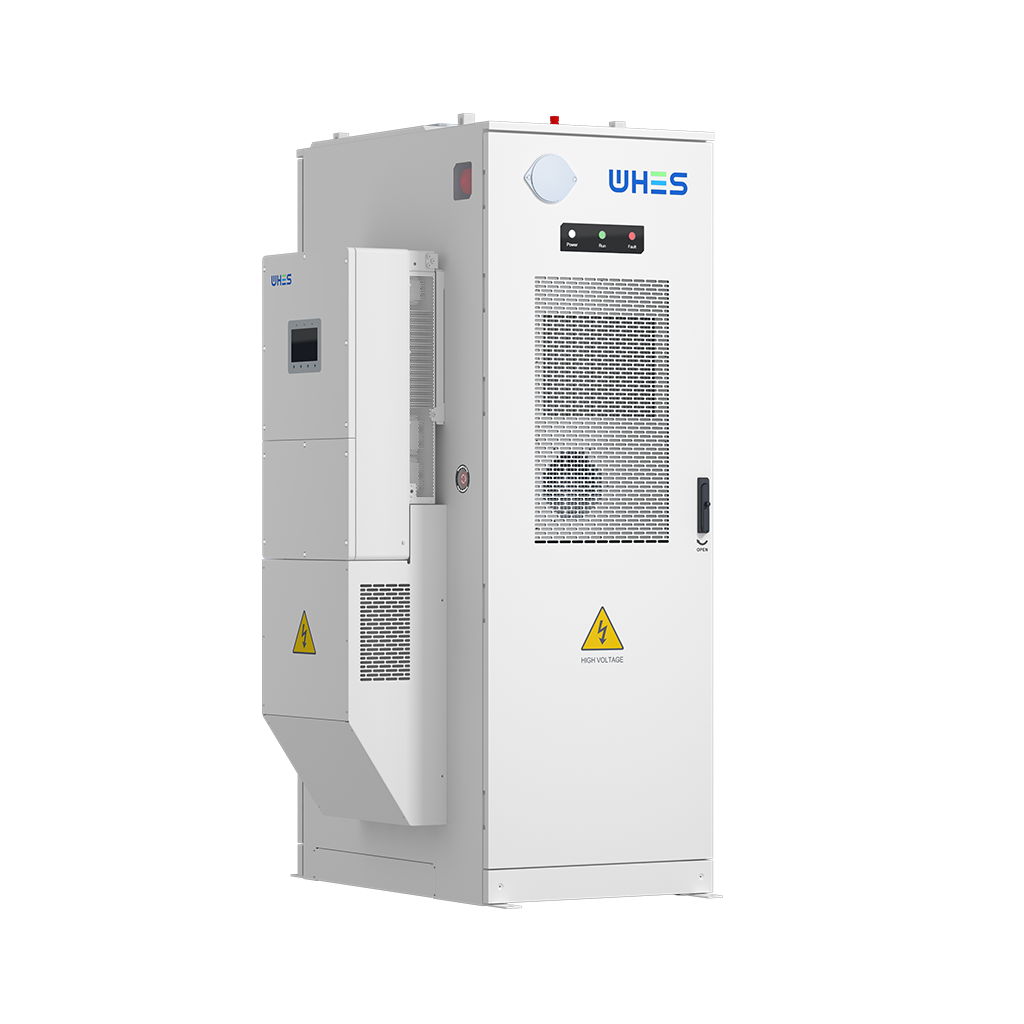
The evidence and engineering converge on a single conclusion: architect storage for market participation, not merely demand clipping — and that is precisely the operational value WHES embeds within its systems. WHES. —