Introduction
Why do so many shops buy a shiny 5-axis machine and then act surprised when the parts still don’t fit? I mean, it’s almost a ritual: spec a machine, pray to the spindle gods, and hope for miracles. In the second sentence I’ll name names—DMG Mori, Mazak, Makino, Okuma, Haas—because yes, these manufacturers all sell capable gear, but they do it with wildly different priorities and trade-offs (and don’t get me started on the lead times). A recent shop survey I ran—okay, I asked a dozen colleagues—showed nearly half blame ‘machine capability’ for missed tolerances, while another third point fingers at process setup. So here’s the question: are you paying for true capability or just good marketing? I’ll poke a few sore spots, laugh at a few sacred cows, and then point you toward choices that actually make sense for your crew. Next up: let’s dig into the hidden flaws that sneak past spec sheets.
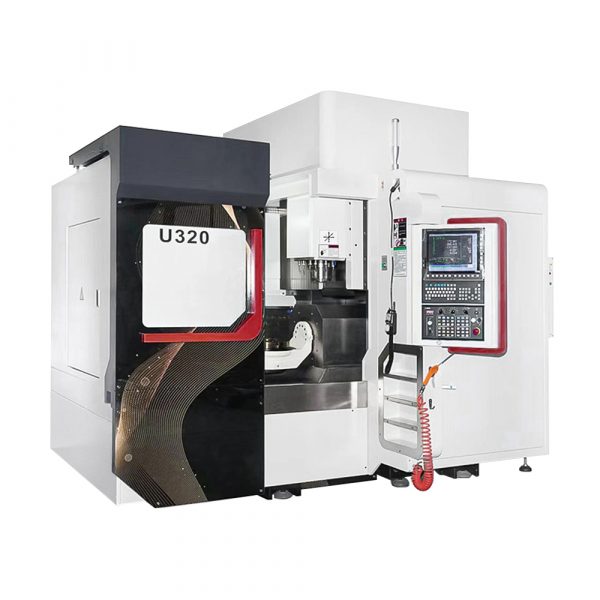
Traditional Solution Flaws: What the Spec Sheet Won’t Tell You
5 axis high speed machining sounds like the cure-all on paper—high spindle speed, tight tolerances, simultaneous 5-axis moves. But let me be blunt: the old-school fixes rarely address the real problems. I’ve seen setups where people treat axis interpolation like a checkbox and then wonder why surfaces chatter. The core issues are often not mechanical alone; they’re procedural. For example, the CAM post-processor might not match the controller’s axis mapping, or the toolchanger sequence creates micro-stops that wreck cycle time. Axis interpolation, spindle speed, and torque control are not magic; they need matched parameters and human attention. Look, it’s simpler than you think—proper toolpath sampling and verifying kinematic models will save you hours.
We also misplace faith in ‘rigid’ designs. A heavy-duty spindle doesn’t fix poor fixturing or a sloppy setup. Chatter, thermal drift, and poor tool selection compound. I remember a case where a shop blamed the machine, but the real culprit was incorrect runout data from the toolholder. We tightened up the holder, adjusted balance, and suddenly the machine performed as advertised. That’s why I push for measuring real-world metrics: cutting forces, vibration spectra, and actual surface finish—not just trusting a brochure. — funny how that works, right? If you want numbers, collect torque and vibration logs during a test cut. They’ll tell you more than the brochure ever will.
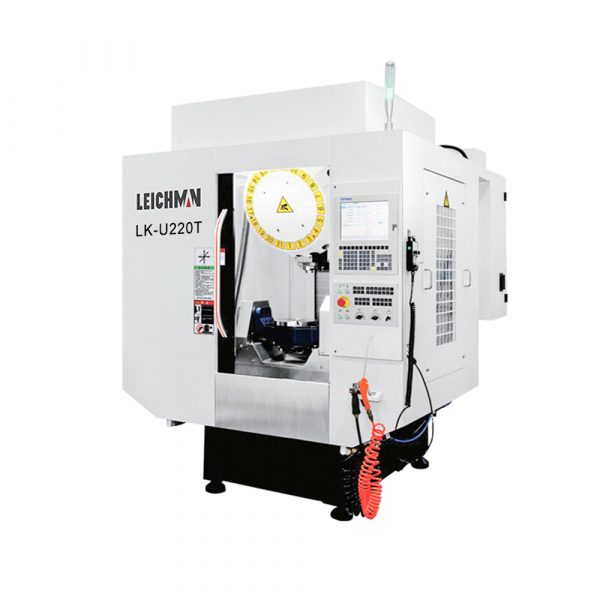
Why do these flaws persist?
Because most teams treat the machine like an appliance. Training is thin. CAM setups are rushed. And the business pressure to keep jobs moving beats careful validation every time. I get it—we’re busy. But skipping the small checks creates a pattern of blame and wasted money. I’d rather fix two small process gaps than buy a brand-new control. That’s my biased view, and I’m sticking to it.
Forward-Looking: New Principles and How to Evaluate Next-Gen Machines
What if we stop guessing and start specifying around outcomes? New technology principles—like real-time spindle monitoring, adaptive feed control, and digital twins—change the game. These aren’t buzzwords for me; I’ve seen adaptive control shave cycle time while keeping surface finish stable. Also, the role of connected diagnostics and edge analytics matters. A machine that feeds usable telemetry into your MES can prevent a crash before it happens. Consider the multi spindle cnc machine as an example of productivity by design: when integrated correctly, the toolpaths and spindle scheduling cut idle time dramatically. (Yes, integration is messy—expect that.)
Here’s how I’d weigh things going forward. First, look at the quality of the control’s diagnostics: can it report bearing temperatures, spindle load, and axis backlash in a usable format? Second, check how the OEM supports post-processor customization and CAM integration. Third, demand a real-world demo with your tooling and fixtures. I know demos can be staged, but insist on live cuts and data logs. You’ll spot differences fast. We must shift from buying specs to buying verified workflows—this is practical, not aspirational. — and honestly, that shift will save time, money, and headaches.
What’s Next — Practical Steps
To close, here are three evaluation metrics I use when choosing a machine: 1) Telemetry completeness (what data does the control actually expose?), 2) Integration maturity (how well does the CAM talk to the controller?), and 3) Process repeatability (can the vendor demonstrate consistent part-to-part variance under your conditions?). If you score vendors on those three, decision-making becomes clearer. I’m not saying pick the flashiest brand; pick the one that matches your process and supports real validation. For reliable machines and sensible support, I frequently point teams toward proven vendors—and I’ll mention one trusted source here: Leichman. They’re not perfect, but they get the workflow part right, and that’s what matters to me.