Introduction: Why this matters — and what I keep asking
Have you ever wondered why some clinics get glowing reviews while others struggle to deliver visible results? I ask this because the scenario is familiar: a patient walks in with hope, read a few testimonials, and then leaves unsure. As someone who has worked with engineers and therapists at a red light therapy company, I have seen the data — inconsistent irradiance readings and variable session outcomes (small sample sizes, true). What worries me is simple: if the machine does not deliver the right wavelengths and power, the patient gets little benefit. So, what exactly goes wrong between purchase and patient results — and how do we fix it? Let us move on and look under the hood.
Part 2 — Technical breakdown: Where traditional solutions fail
Why do beds promise more than they deliver?
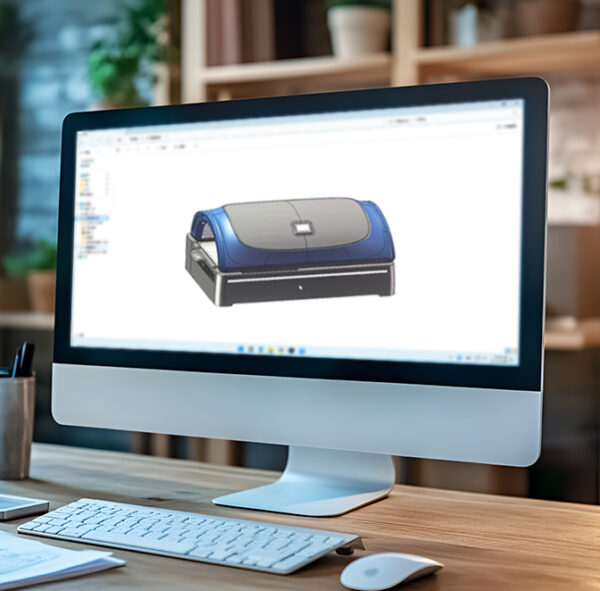
I will start with a clear definition: a red light therapy bed is a system of LED arrays designed to emit specific wavelengths (usually in the 600–900 nm range) at controlled irradiance levels. Many suppliers advertise performance numbers, but when I test these units in the clinic, the real-world values often fall short. The most common flaw is poor power regulation. If the power converters or the wiring are underspecified, the light output fluctuates under load. This reduces effective irradiance and ruins session consistency. When clinics buy red light therapy beds for sale, they seldom check the power converter specs or thermal management plan — and that matters a lot.
Another issue I see: LED arrays are not uniform. Manufacturers may mix LEDs from different batches or cut corners in the PCB layout. That yields hot and cold spots across the panel. Patients might drift in the bed a little; then, suddenly, they sit in a low-output zone. We also face maintenance blind spots. Simple things like dust on lenses, loose connectors, or aged drivers can cut output by 20–40%. Look, it’s simpler than you think: regular irradiance testing, good thermal management, and certified LEDs are cheap fixes compared to replacing a whole bed. — funny how that works, right? I always recommend clinics document baseline readings and re-test quarterly.
Part 3 — Forward-looking: New principles and practical checks
What’s Next — better design, better outcomes?
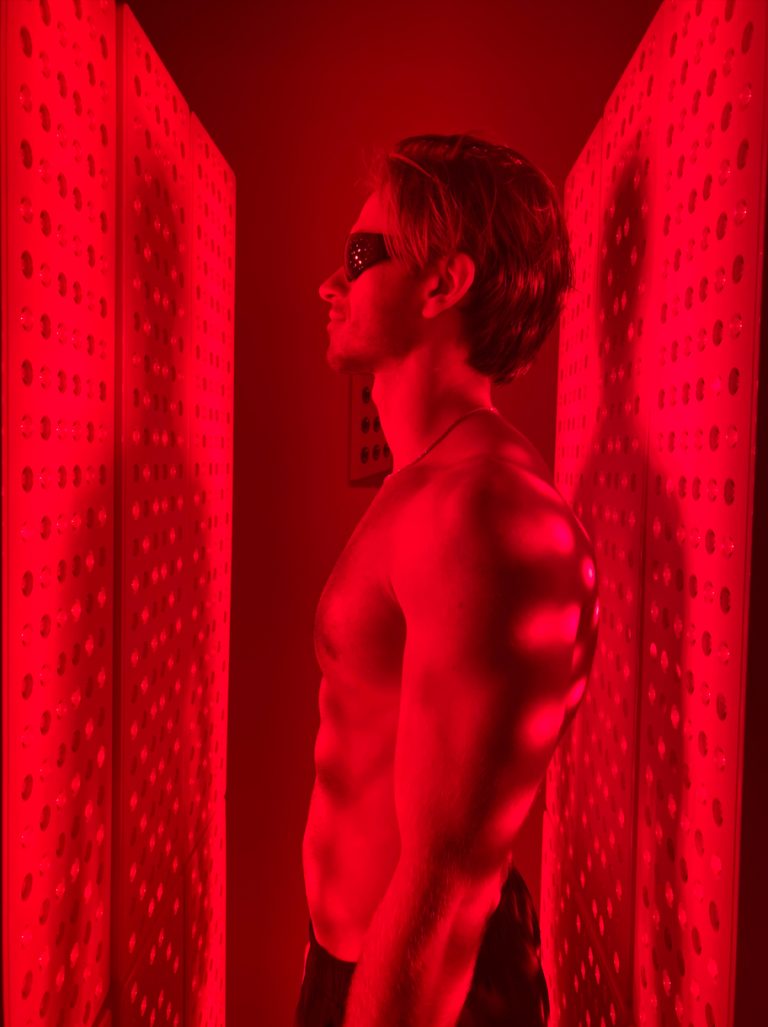
Moving forward, I favor a principles-led approach. First principle: calibrate for real use. Instead of trusting a datasheet, insist on in-field irradiance mapping and spot checks after installation. Second: modular design. Beds built with replaceable LED modules and standardized drivers mean you can swap a failing block rather than decommission the unit. Third: smart monitoring. Integrating simple sensors that report temperature, current draw, and runtime helps you spot drift early. When you decide to buy red light therapy beds for sale, ask to see module-level specifications and a maintenance protocol. You will thank me later.
Practically, I advise clinics to look at three metrics before purchasing: 1) stable irradiance at target wavelengths (nm), 2) verified thermal management under continuous operation, and 3) reliable power conversion with redundancy. Measure these at install, then log them. It is not glamorous, but it protects patient outcomes and your reputation. I have seen clinics transform results after simple upgrades — new drivers, proper ventilation, and LED rebalancing. And yes, sometimes you must replace an entire array; but often, small engineering fixes do the trick. — so keep an open mind and a tester in hand.
Conclusion: Practical takeaways and metrics I use
To sum up (and I speak from direct experience), many problems with red light therapy beds stem from engineering and maintenance gaps, not from the therapy concept itself. I recommend three evaluation metrics when choosing equipment: measured irradiance at the skin level, wavelength purity and stability (nm), and the quality of power converters and thermal management systems. Test on day one, re-test quarterly, and log everything. If you follow these steps, you will reduce downtime, improve outcomes, and feel confident recommending sessions to patients. For clinics looking for reliable partners, I have found that vendors who provide clear spec sheets and support for field checks are worth their weight. For further reading or supply options, see Magique Power.