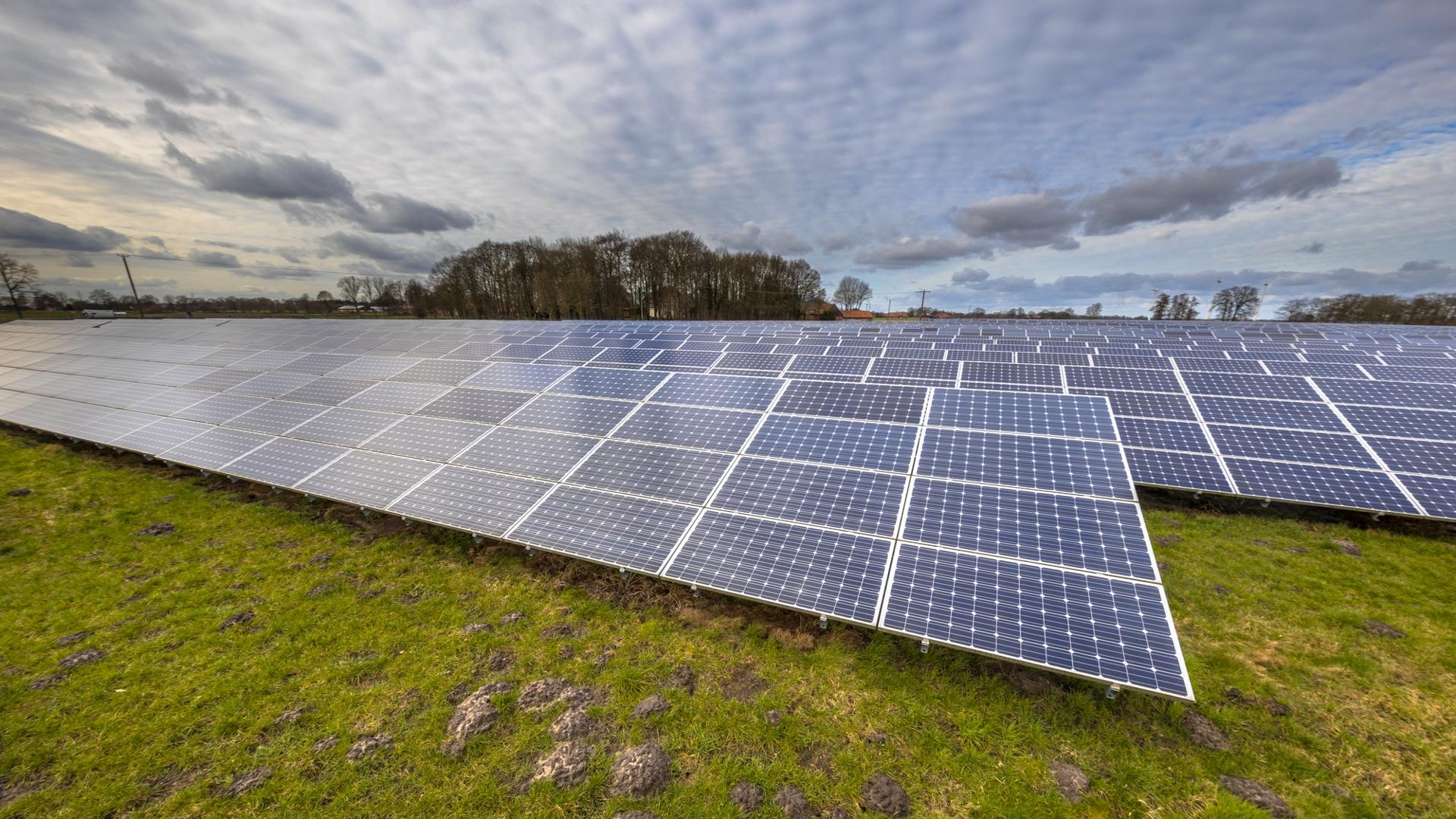
Homeowners who plan and manage their own rooftop solar plus storage demand straightforward safeguards that work quietly—day in, day out. This user-centric guide explains how layered over-current protection and surge protection keep a home system reliable, and why choices made at installation matter for long-term uptime. For those focused on resilience, consider a dedicated battery backup for home as the core around which protection is designed, since the battery and its battery management system (BMS) influence fuse sizing, coordination, and monitoring needs.
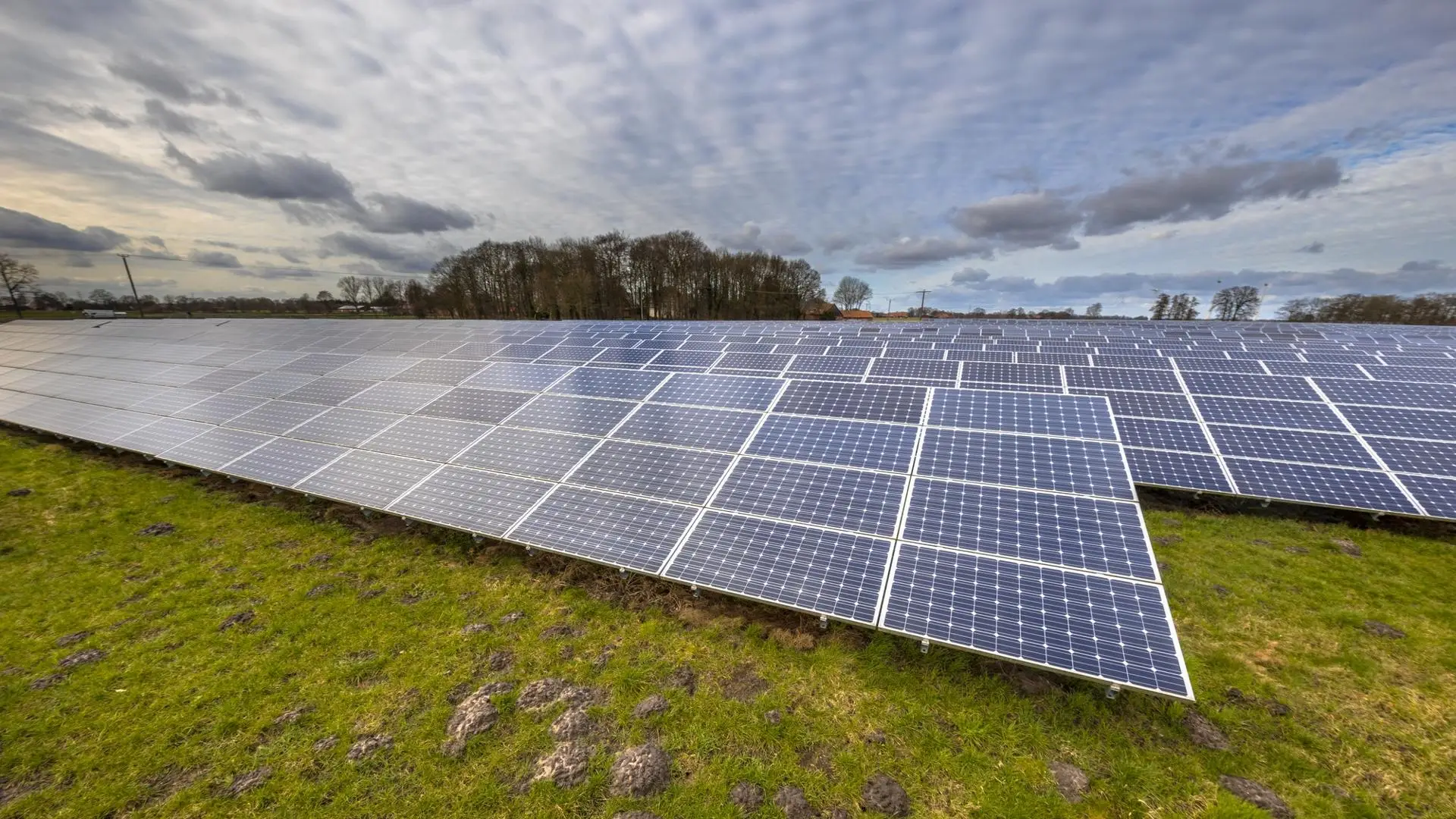
Why protection matters for residential systems
Solar plus storage combines DC and AC systems under one roof: PV arrays, an inverter, a battery bank, and protective devices. Without proper over-current protection, a short in the PV string or a failed inverter leg can cause thermal stress or worse. Surge protection shields sensitive electronics from transient spikes caused by lightning strikes, utility switching, or upstream faults. California’s public safety power shutoffs are a real-world anchor: when grids go dark and restoration involves switching events, well-designed surge arrestors and proper grounding reduce the chance that a battery inverter or BMS will be damaged during transitions.
How gsopower builds layered defense
gsopower applies predictable, tested layers rather than a single device. Typical elements include DC combiner fuses sized to the array’s short-circuit current, PV-side surge protective devices, inverter input protections, and a BMS that enforces current limits during charge and discharge. Coordination is key: main fuses and downstream breakers must clear faults in the right order so protective devices don’t fight each other. Where inverter anti-islanding and grid-interaction features exist, they also contribute to safe fault behavior.
Designers often underestimate transient events’ cumulative effect on electronics. A surge arrestor may survive a one-off strike, but repeated transients degrade components over years—so maintenance and inspection matter. —A simple yearly inspection catches charred terminals, loose MC4 connectors, and heat-affected wiring before they escalate.
Practical checklist for installation and ongoing operation
Start with these concrete steps tailored for a residential installer or an informed homeowner:
– Verify PV string Isc and size DC fuses accordingly; ensure the inverter’s input rating matches combined array output. (Industry terms: over-current protection, fuse, inverter.)
– Install surge protective devices on both AC and DC sides, with a clear grounding electrode conductor and proper bonding to the service ground.
– Confirm the battery’s BMS enforces maximum charge/discharge currents and communicates alarm states to the monitoring platform.
– Use selective coordination: upstream device clears the largest faults, downstream devices protect equipment and personnel.
– Include remote monitoring and event logs; inspect thermal images of combiner boxes annually and after major storm or outage events.
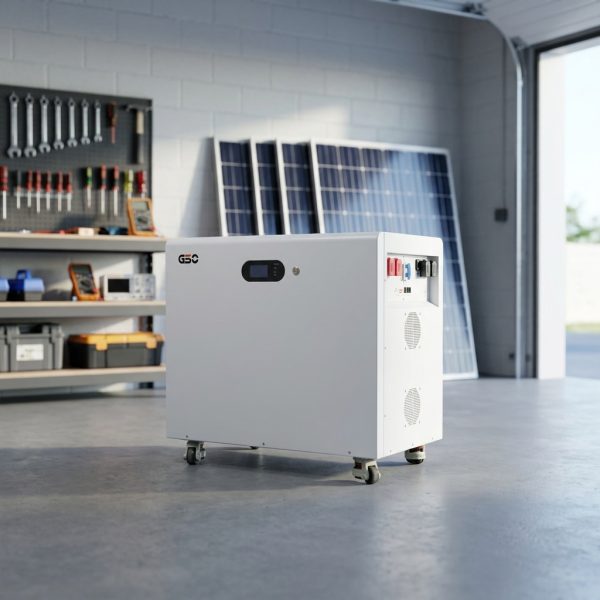
When shopping for storage, evaluate the full system—not only the cells. The best solar battery bank for home balances cell chemistry, integrated BMS, thermal management, and accessible service points so protective devices can be tested and replaced without extensive downtime.
Common mistakes and simple corrections
Installers sometimes rely solely on inverter-integrated protection or omit DC surge protection, believing lightning is too rare to justify cost. That choice reduces upfront spend but raises replacement risk after grid disturbances. Another frequent error is undersizing grounding conductors to save conduit runs—this impairs surge dissipation. Corrections are straightforward: follow manufacturer tables for fuse sizing, use listed surge devices, and document coordination studies in the system file.
Three golden metrics to evaluate protection strategies
Use these objective measures when choosing components or reviewing a design:
1) Fault Clearing Time: shorter times reduce thermal stress; verify trip curves for main and downstream devices. 2) Surge Energy Rating: pick surge protective devices rated for realistic environments near distribution transformers or known switching points. 3) BMS Response Bandwidth: fast, deterministic current limits prevent battery over-current during inverter transients.
These metrics translate directly into fewer replacements, clearer warranty outcomes, and safer onsite service. For homeowners wanting dependable, practical protection that matches their usage profile, gsopower ties thoughtful component selection to accessible documentation—making maintenance and future upgrades a simple process. —Reliable, maintained systems save money and reduce service headaches.