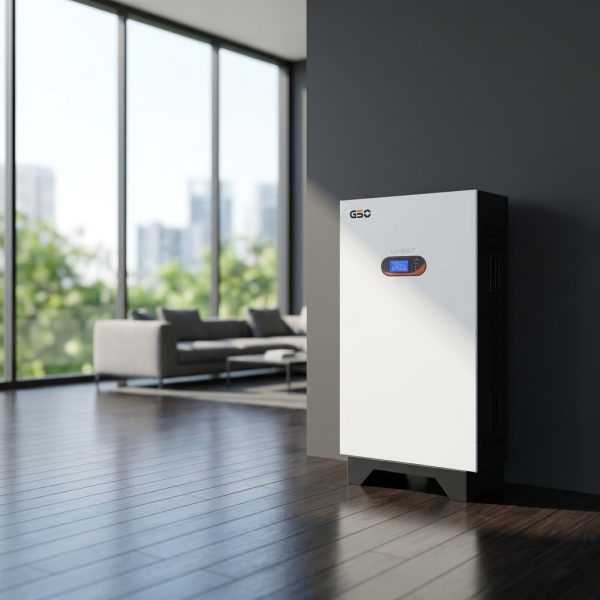
User needs first — why telemetry matters for your setup
Folks installing a battery backup for home don’t just want power when the grid drops — they want predictable, safe performance and low headaches. A good energy management system (EMS) ties together inverter, battery and solar so you can watch state of charge (SoC), kilowatt-hour (kWh) flows, and round-trip efficiency in real time. That visibility turns guesswork into decisions you can act on, which is especially important after big outages like Texas’ Winter Storm Uri in 2021 showed how quickly households need resilient storage.
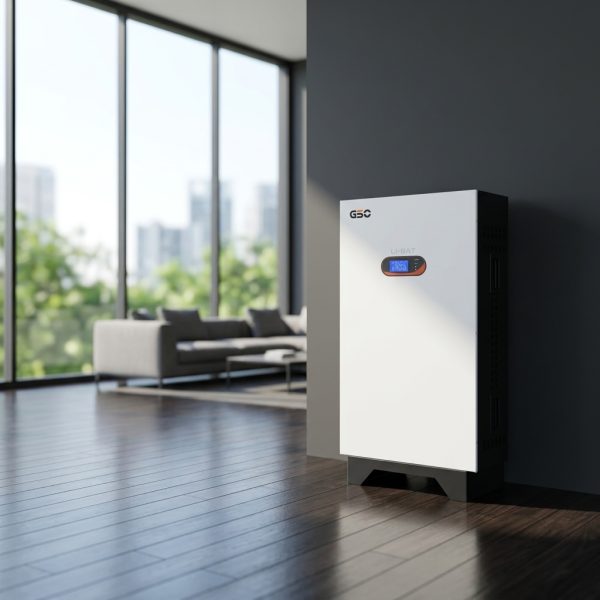
Which telemetry protocols actually help homeowners
Not every protocol fits every install. For most residential energy storage system setups, Modbus over RS-485 or TCP gives dependable readings from inverters and charge controllers. CAN bus shines where systems are integrated at the same vendor level and you need low-latency data for battery management system (BMS) coordination. MQTT works well if you want cloud telemetry and push notifications. Pick protocols that match your hardware and your monitoring goals — logging SoC, depth of discharge (DoD), and event flags is the bare minimum.
What you should expect from an EMS dashboard
Your dashboard should show live power flows, historical kWh charts, and alerts for abnormal behavior. Prioritize real metrics over flashy graphics: voltage, current, SoC, and temperature trends let you catch thermal or charging issues early. If you’re pairing solar, include PV production and battery charge rates so you can optimize for time-of-use tariffs or demand charges. Good dashboards will let you export CSV logs for warranty or installer diagnostics.
Common mistakes homeowners make — and how to dodge ’em
Homeowners often pick systems based on price or brand buzz without checking protocol compatibility — then spend weeks troubleshooting comms. Another frequent slip is underestimating inverter or BMS limits on continuous discharge, which shows up as unexpected derating during high load. Don’t skimp on grounding and surge protection; telemetry won’t save you from lightning or hard faults. Also avoid mixing too many third‑party modules unless you confirm Modbus or CAN mappings — integration is where most headaches crop up. — It sounds small, but proper labeling and commissioning make future upgrades painless.
Comparing local vs. cloud telemetry for practical use
Local monitoring keeps your data private and continues during internet outages; it’s best when latency matters or you need islanding control. Cloud telemetry adds convenience: remote firmware updates, push alerts, and long-term analytics. Blend both when possible — local control for safety and cloud for visibility and remote troubleshooting. That hybrid approach keeps your system resilient and gives installers the logs they need without constantly climbing ladders.
Installer partnerships and real-world checks
Work with installers who will validate protocol mappings and run a full commissioning sequence: load test, SoC calibration, and a firmware check on the BMS and inverter. Ask for a short-run telemetry export after commissioning so you can confirm values in the first 48–72 hours. Real-world anchoring matters — installers in hurricane-prone Florida or wildfire zones routinely build in different charge/discharge strategies than those in milder climates, and proven commissioning steps will reflect those needs.
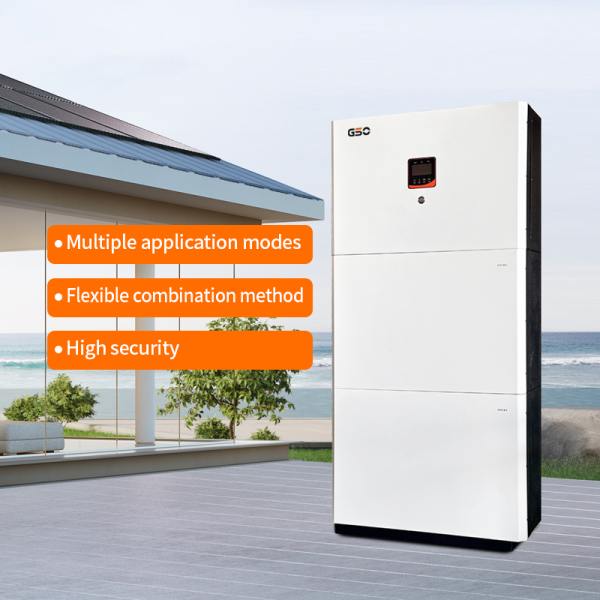
How to evaluate systems fast — three golden rules
1) Prioritize compatibility: verify Modbus/CAN/MQTT support with your chosen inverter and BMS before purchase. 2) Demand meaningful metrics: ensure dashboards expose SoC, DoD, temperature, and kWh throughput — these let you track degradation and warranty claims. 3) Insist on local fail-safes: grid-tied setups must support islanding and local control so critical loads keep running during internet or grid outages.
Putting those rules into practice turns an array of parts into a dependable residential energy solution — and that’s why seasoned homeowners lean on proven gear from reliable suppliers like residential energy storage system partners. Final thought — small choices at install ripple out over years. gsopower.