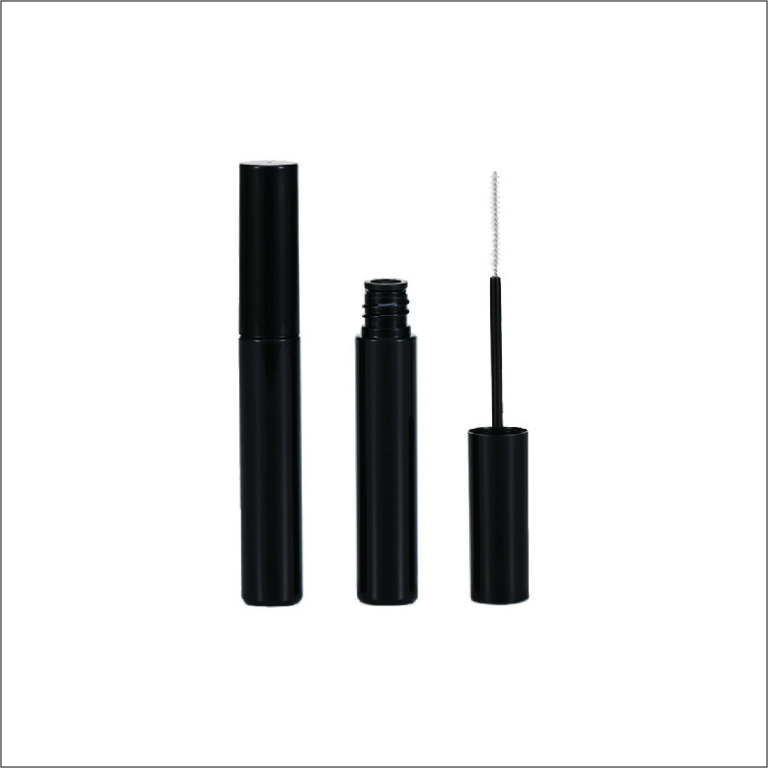
Introduction: A No-Frills Reality Check
Here’s the deal: if the tube leaks, clumps, or cracks, your launch slips and your margin bleeds. If you buy empty mascara tubes wholesale, you already know how tight the math is—price, lead time, claims, and returns. Picture a small brand hustling through a 10-SKU drop, MOQ locked at 10,000 per shade, and the first AQL check flags a bad wiper orifice. Now add a 2.1% defect rate across injection molding lots and a 12-week wait for rework. How does anyone hit a ship date like that? (You don’t, not without bruises.)
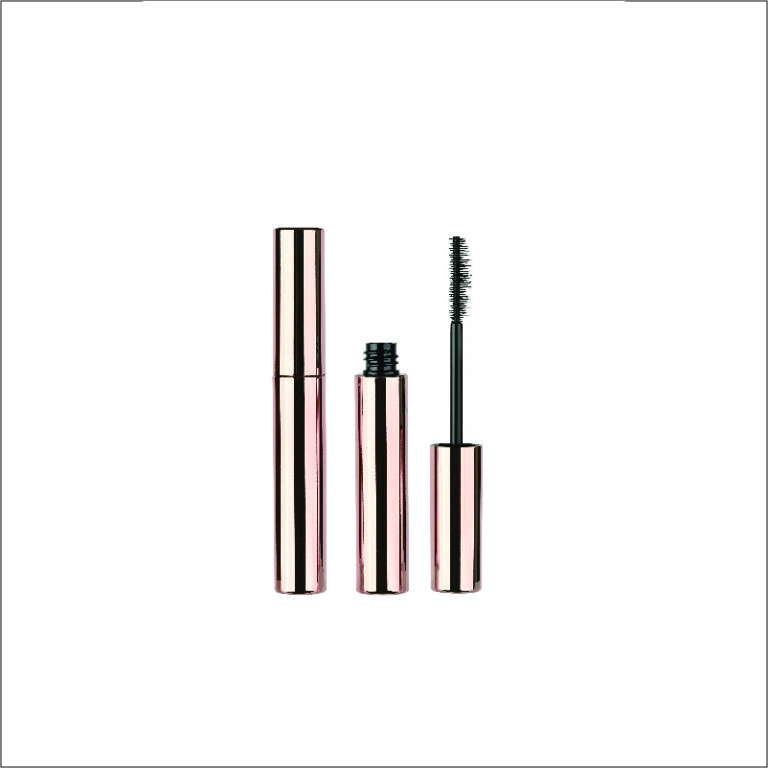
The numbers aren’t pretty: torque drift on caps by ±0.05 N·m, brushes shedding at 0.3%, and cartons swelling in humid transit. And yet the buyer’s sheet still ranks “unit price” at the top—funny how that works, right? So the question is simple: do we keep chasing cents, or do we chase stability? Look, there’s no magic wand. But there’s a better way to compare, test, and lock in what actually matters for performance and claims. Let’s line up the variables, cut the fluff, and see where the waste really hides—then fix it before the next PO lands. Next up: the cracks in the old playbook and why they cost more than they save.
Part 2: Deeper Fault Lines in the Old Playbook
What keeps breaking under pressure?
Building on that reality check, let’s get technical and name the weak links. The typical sourcing path picks a catalog tube, tweaks the wiper, and hopes the brush fits the formula’s viscosity. An empty mascara tube manufacturer will warn you: mismatch the wiper orifice to a 2,500–4,000 cP mascara, and you get clumps at the neck and starved payoff on lashes. Torque spec drifts in assembly, and cap back-off kills airtightness during 24-hour upright/flat tests. Then there’s filament choice—nylon 6 vs. PBT—where denier and cut profile fight with the wiper lip. That’s before we talk cavity-to-cavity variation in injection molds and how tiny flash on the rod can scrape the stem and seed micro-leaks.
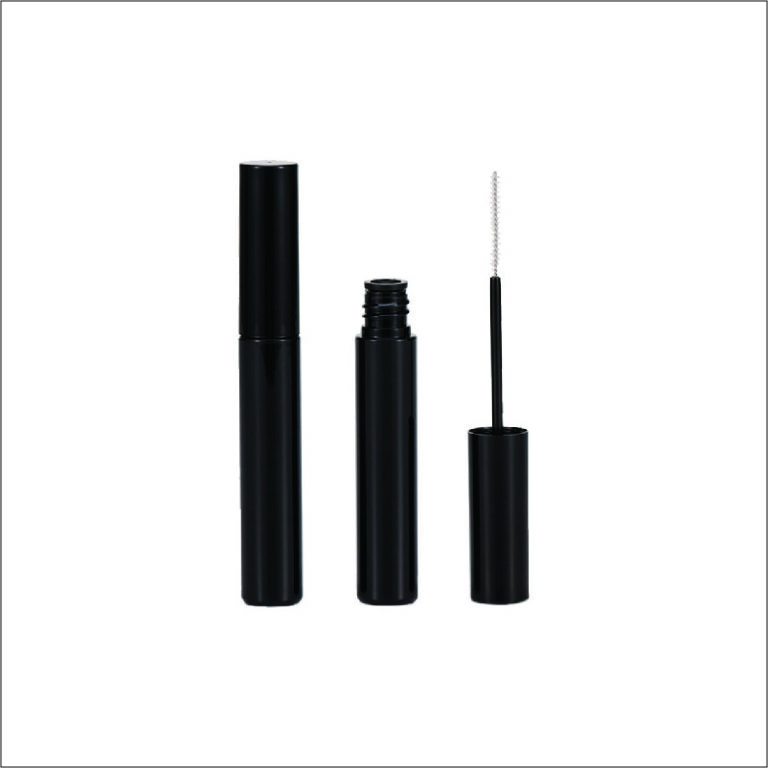
Traditional fixes miss root cause. They hammer price and push MOQs, but skip incoming QC on brush crimping strength, skip salt-fog or UV exposure on anodized aluminum parts, and skip full-lot traceability. AQL passes look fine until a hot-fill line shifts viscosity and the same wiper starts shredding. Look, it’s simpler than you think: define the interface stack (brush, stem, wiper, neck, cap), validate torque retention over thermal cycles, and run a dye ingress test to verify seal integrity. Do that, and half the “unlucky” defects vanish. Keep chasing pennies, and you buy the same headache twice—once in pricing, again in claims.
Part 3: Forward-Looking Comparisons, Not Guesswork
What’s Next
Now flip the script to a smarter, comparative model. Instead of picking a tube first, start with constraints and run them like engineering inputs: target viscosity bands, desired payoff, lash separation goals, and allowable torque decay after 500 cycles. Modern lines use inline vision systems (yes, even compact edge computing nodes) to measure rod runout and flash in real time; pair that with cavity ID tracking, and you can quarantine drift to a single mold pocket—fast. When you spec wholesale empty mascara tubes with parametric wiper libraries and validated brush geometries, you cut fit-risk before you even mold a pilot lot. Add 30% PCR resin where feasible, run LCA snapshots, and you’ve got performance and sustainability without guesswork— and yes, that means fewer returns.
Here’s the comparative edge: test two assemblies under the same thermal profile and vibration, record torque retention, dye ingress, and brush filament shed rate, then rank total cost of quality, not just unit price. This isn’t fancy; it’s repeatable. You’ll see how a slightly pricier stem finish reduces wiper abrasion, how a tighter orifice tolerance stabilizes payoff, and how real lot traceability keeps you off the recall treadmill. The lesson from above holds, but cleaner: define the interface, measure what matters, and lock it. To choose well, use three simple metrics: 1) Interface fit score (wiper-orifice to brush filament match under target cP), 2) Seal reliability (leak rate plus torque decay after cycles and thermal swing), 3) Total landed risk (defect rate x claim cost x lead-time exposure). Keep those front and center, and the rest falls in line with fewer surprises, steadier launches, and fewer late nights. NAVI Packaging