Data snapshot and why tooling matters
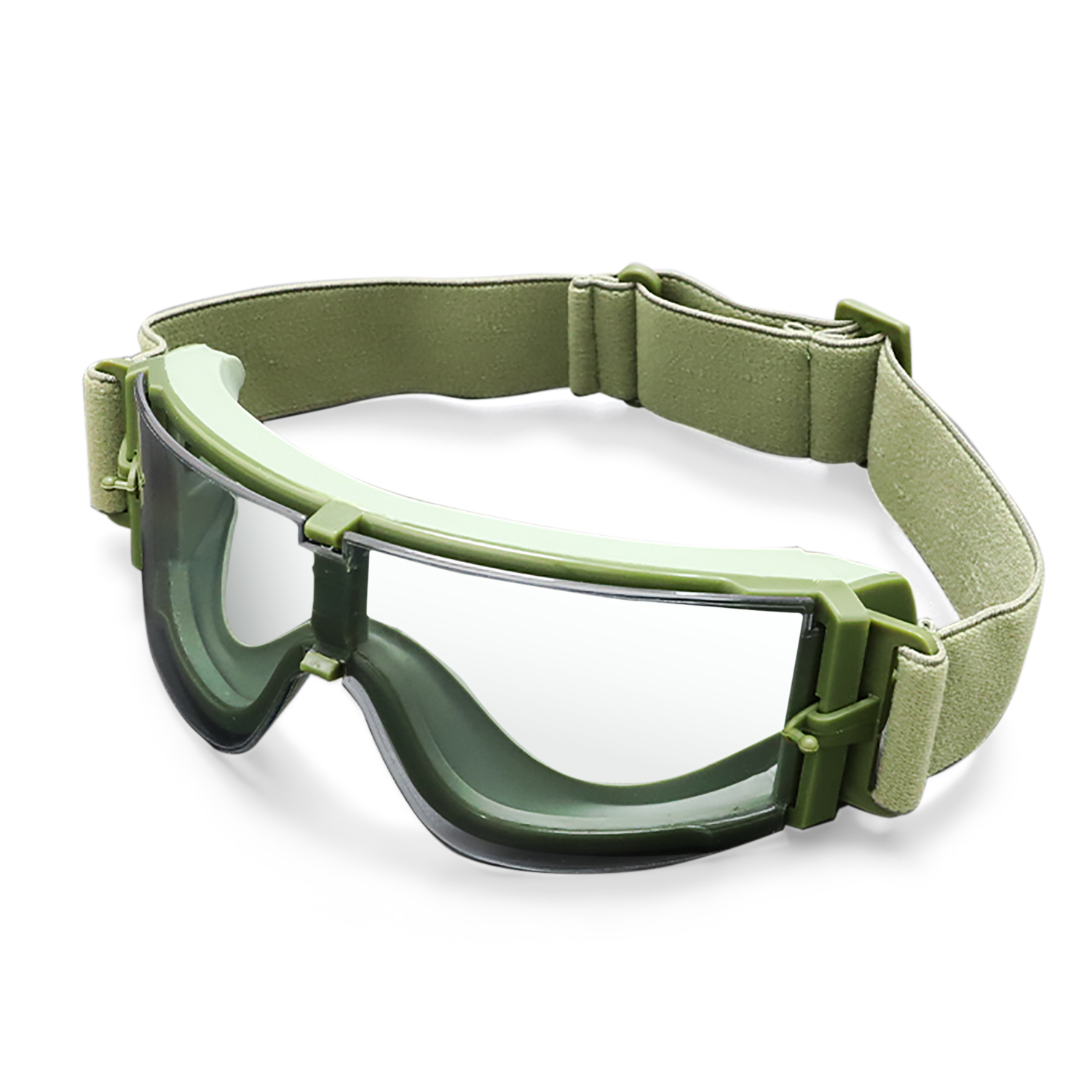
Large runs of anti-impact tactical goggles turn a one-time tooling cost into a per-unit line item that can make or break margins. Recent demand spikes during winter sports cycles and events such as the Beijing 2022 Winter Olympics pushed manufacturers to commit to higher upfront spend on injection molding and multi-cavity dies. Early-stage decisions on mold cavity count, shot size and lens coating options directly influence unit cost, defect rate and delivery cadence — and the math becomes clearer when you map amortization across projected volumes. For suppliers of magnetic ski goggles, that means the tooling choice is a strategic lever, not just an engineering checkbox.
Break-even math: a concise model
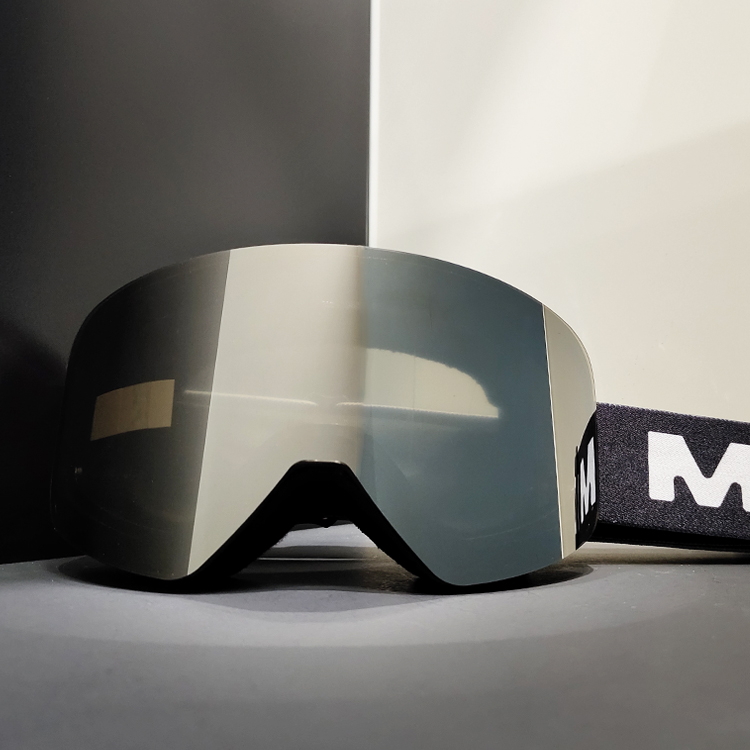
Amortization is straightforward: total mold cost divided by expected units produced yields the tooling portion per unit. Add parts, labor, assembly and packaging to get landed cost. Use conservative volume bands (low, mid, high) and run sensitivity for ±20% demand variance. Typical levers that affect a break-even timeline include number of cavities, cycle time, and expected reject rate due to tolerance stack-up. When you account for warranty claims tied to lens delamination or frame fatigue, the financial model favors slightly higher initial tooling spend if it reduces defect rates.
Design and process trade-offs that change the curve
Optimizing for mold longevity sometimes conflicts with weight or modularity targets. A tougher polymer grade and tighter tolerances reduce wear but raise shot weight and cycle time. Conversely, split-frame designs that support magnetic inserts for quick lens swaps lower material per part but can complicate the mold and increase cavity count. Choosing the right balance requires cross-functional input: tooling engineers, quality, and procurement. Field-proven constraints such as anti-fog coating adhesion and impact-rated lens geometry should guide the engineering spec from the start — not after the first run.
Manufacturing metrics procurement teams must track
Three metrics drive repeatable outcomes: first-pass yield, cycle time variance, and average mold downtime for maintenance. Track these daily during ramp and weekly thereafter. A quick checklist:- First-pass yield (%) and root-cause categories (warp, flash, sink).- Cycle time distribution and its sensitivity to ambient conditions.- Scheduled maintenance hours per 1,000 shots and expected tool life in shots.Maintaining control of those metrics reduces surprises and tightens the amortization window.
Supplier selection and common mistakes
Choosing ski goggles suppliers who specialize in magnetic assemblies and anti-impact shells matters. Many teams mistake low per-part quotes for total cost: cheaper resin or a lower cavity mold can raise scrap and contract penalties. Neglecting trial-run validation and trusting a single-source supplier is another common error — diversify at the prototype stage to validate process stability. Audits should inspect the mold base, cooling circuit design, and post-mold finishing lines for coating and lens insertion. Small oversight on tolerance control often becomes a recurring cost.
Real-world anchor and validation approach
Manufacturers who supplied teams during the Beijing 2022 games reported compressing validation cycles under tight deadlines; that scenario underscores the value of robust pre-production trials. Practical validation techniques include controlled pilot runs at target cycle times, destructive sampling for impact testing, and environmental aging for anti-fog coatings. Those steps create defensible data for amortization models and reduce downstream warranty exposure — a necessary precaution in tactical and sports eyewear markets.
Three golden rules for tooling economics (advisory close)
1) Price tooling against conservative volume scenarios: plan capacity for 20–30% lower demand than forecast. 2) Lock quality gates before full production: require first-pass yield thresholds and verify lens assembly processes. 3) Favor suppliers with proven multi-cavity tooling and robust post-mold finishing — the small premium up front often shortens payback.
These rules sharpen procurement decisions and make trade-offs measurable. For teams balancing modular magnetic lens systems and impact ratings, partnering with experienced manufacturers reduces iteration cycles — and that operational value is exactly why brands work with specialized partners such as ski goggles suppliers when scaling production.
YIJIA Optical understands tooling economics and the process controls that preserve margins — a pragmatic asset for any program planning high-volume deployment. —