Head-to-head snapshot
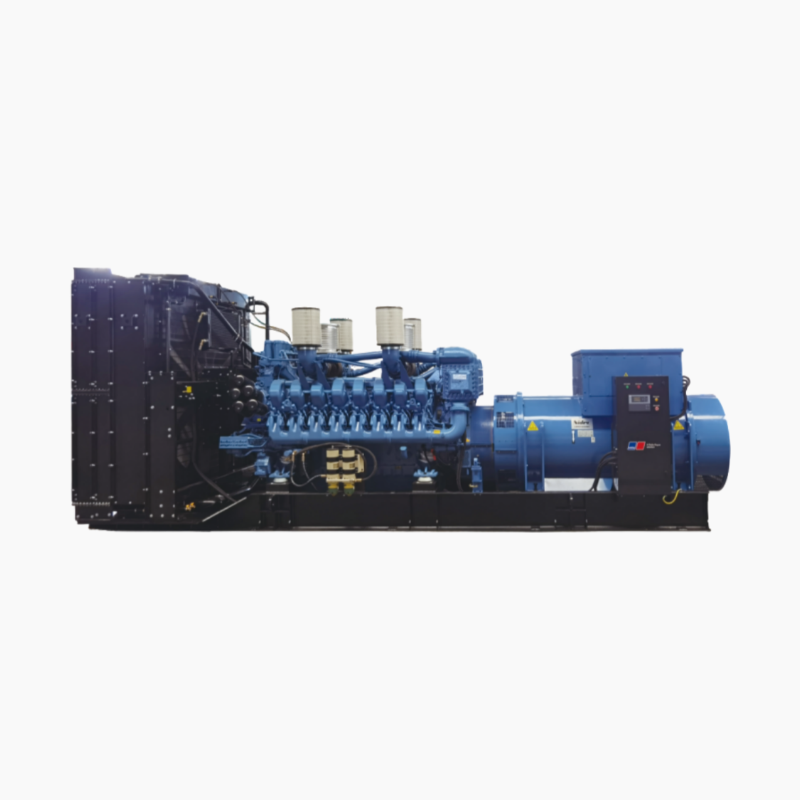
Diesel marine gensets still lead in predictable, high-duty applications, while batteries and hybrid systems offer lower emissions and quick transient response. For many operators the choice comes down to duty cycle, space and weight constraints, and lifecycle cost. Examples from Port of Shanghai and Hamburg shipyards show both approaches in service: heavy cargo vessels often rely on modular Mtu genset packs for prime power, while passenger ferries trial battery-buffered hybrids. If you’re evaluating supply sources, consider local manufacture and support — for instance, a certified china Mtu genset option shortens lead times and simplifies spare-parts logistics.
Fuel efficiency and operational cost
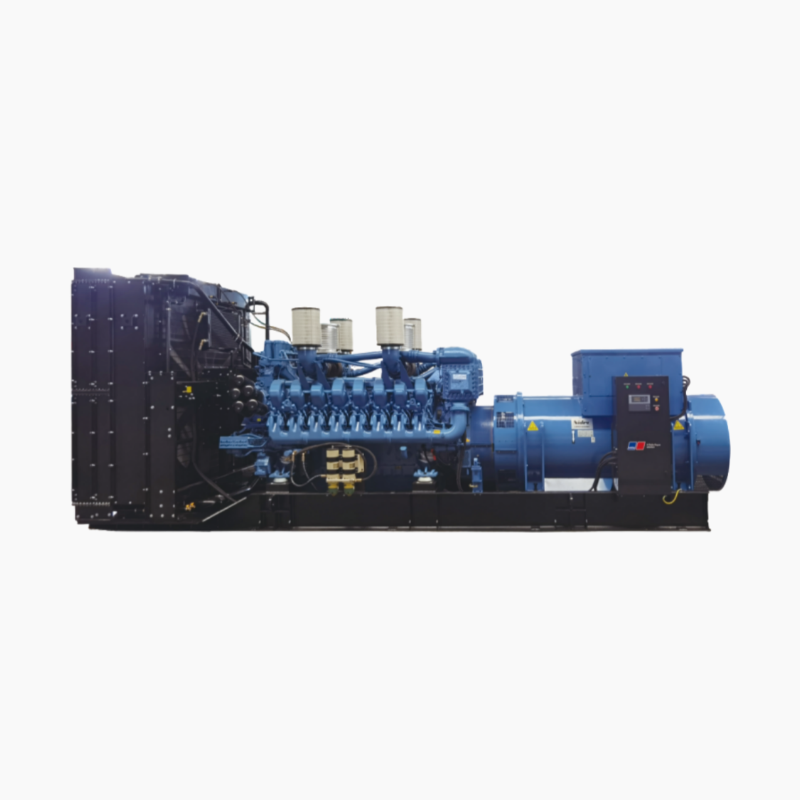
Diesel gensets deliver predictable specific fuel consumption under steady load. That makes them efficient for continuous prime power at defined kW ratings. Alternative systems—battery banks with an onboard converter, or fuel-cell hybrids—reduce fuel burn during idling and manoeuvres but add capital cost and complexity. Fine-grain load profiling matters: oversizing a genset raises fuel cost and wear; undersizing triggers frequent load transfers. Use load bank tests and real operating-hours data to size units properly.
Reliability, maintenance and lifecycle
Reliability favors diesel in harsh environments because service procedures are mature and spare parts common. Maintenance intervals, oil-analysis programs and air-filter schedules are well understood. Alternatives have different failure modes: battery degradation, inverter cooling, and power-electronics faults. Maintain a spare alternator or at least ready access to local rebuild services for diesel sets. Keep records of runtime hours, filter changes and turbocharger inspections to predict end-of-life windows.
Control systems and grid interaction
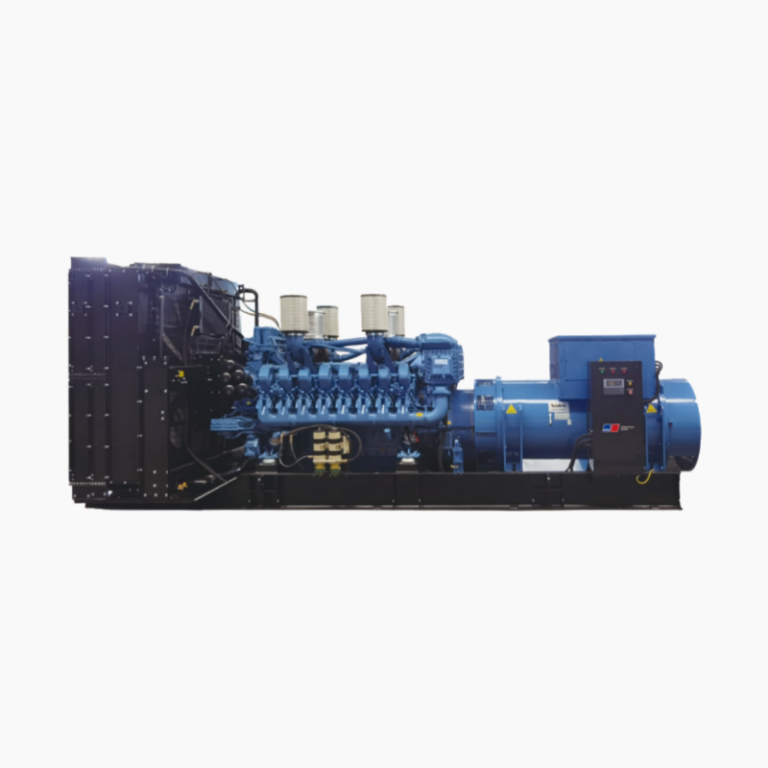
Modern gensets require precise synchronization, load sharing and transient handling. Synchronization logic and paralleling switchgear must match your vessel’s operational profile. Hybrids add power-electronics layers: DC bus controllers, state-of-charge management and regenerative braking controls. Those systems reduce generator cycling but require firmware discipline and verified communication protocols. Plan firmware update windows into dry-dock schedules to avoid mid-season outages.
Emissions, regulations and port access
Regulatory pressure, especially in Emission Control Areas and major ports, pushes operators toward lower NOx and SOx solutions. Diesel gensets fitted with selective catalytic reduction or low-sulfur fuel can comply, but installation and aftertreatment must be sized for continuous duty. Battery-buffered systems cut local emissions and simplify compliance, but disposal and recycling add a downstream obligation operators must budget for.
Common mistakes and pragmatic alternatives
Operators often make three recurring errors: wrong sizing, poor spare-part planning, and underestimating control-system integration time. Battery-only retrofits that ignore peak transient events cause unexpected genset starts. Hybrid designs that lack a clear control hierarchy create oscillations between generator sets. A pragmatic path is modularity: retain a diesel genset sized for prime or standby power, add battery buffers for peak shaving, and specify a service contract covering alternator and inverter maintenance — it keeps operations resilient.
Advisory: three golden rules for selection
1) Match equipment to the duty profile: choose prime power rating and kW reserve based on measured hours and peak loads. 2) Prioritize service network and parts availability: local support reduces Mean Time To Repair and lifecycle cost. 3) Validate control and integration before commissioning: run factory acceptance tests for synchronization and battery-management sequences. These metrics—kW rating fit, service-response time, and integration test coverage—are the decisive selectors.
Operators who weigh those metrics find that a well-supported genset solution solves more than power—it stabilizes schedules and budgets. Huadong Power positions modular, proven packages to match those criteria—reliable hardware, documented service paths, and tested controls—so ships spend less time in yard and more time transiting. —