A comparative opening
The choice between suppliers reads like a ledger: signal strength, firmware life, support hours and the quiet architecture of antennas. Compare those facts first, then temperament of the company. When you examine options for UHF RFID Readers, look beyond glossy specs. Real deployments punish assumptions; the numbers on a datasheet rarely tell whether a reader will choke beneath real cargo or hum reliably for years.

What to line up side by side
Set up a table of essentials and never leave out these columns: read range under load, regulatory compliance (regional power limits), concurrency (tags per second under dense populations), firmware upgrade process, API openness, and local support SLA. Demand measured results from live tests rather than simulated lab claims. Suppliers often present peak sensitivity; you need sustained performance when pallets, metal and weather conspire.
Reader architecture and real-world throughput
Dual-core radio designs and antenna diversity matter. Compare single-antenna readers with multi-antenna architectures and note how each handles tag collisions. Smaller fleets tolerate occasional retransmits; high-density logistics require deterministic throughput. Ask for test logs showing sustained reads per second and for the exact firmware revision used during those tests. If a vendor cannot produce field logs, they offer hope, not evidence.
Authority, experience and a concrete anchor
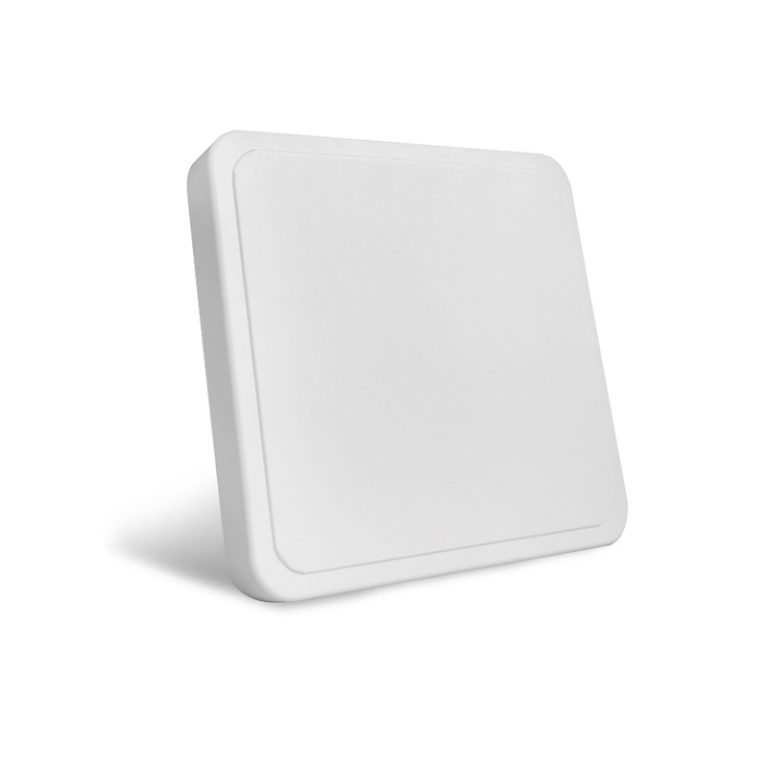
Practitioners at busy ports and distribution hubs have learned hard lessons. High-traffic terminals such as the Port of Rotterdam have run extensive trials that reveal how interference, container stacks and metal surfaces shape reader choice; those trials are documented in trade reports and conference proceedings. For hardware context, teams remain pragmatic about proven models like the industrial uhf rfid reader when mapping solutions onto docks and ramps—choices backed by published trials and engineering notes from the logistics community.
Software, updates and lifecycle costs
Compare how vendors handle upgrades: secure, signed firmware delivered over-the-air is non-negotiable. Note the cadence of security patches and how breaking changes are managed. A cheap reader with opaque firmware becomes an expensive liability if it requires forklift downtime to patch. Calculate TCO over the expected service life: hardware warranty, spare inventory, on-site swap time and license fees for middleware. The cheapest unit can cost the most once downtime is counted.
Security and regulatory checks
Confirm each supplier’s approach to authentication, encryption and access controls for management interfaces. Check regional certification: an RF profile cleared in one jurisdiction might be illegal in another. Ask for official test reports; vague assurances mean you’ll spend nights chasing compliance paperwork.
Common pitfalls and how to avoid them
Buyers often fall for headline metrics—maximum range, maximum tags per second—without testing in realistic environments. Don’t accept vendor demos that use idealized tag placement. Ignore sales promises about “universal” antennas; match antenna pattern and gain to the use case. Never deploy without a staged pilot that mirrors the busiest hour of your operation. When integration teams later encounter unexpected reflections or mobile-metal interference, blame lies with skipped trials, not fate.
Alternatives and trade-offs
Active versus passive? Active tags give range and autonomy at higher cost; passive tags win on density and price. A supplier selling both may be useful, but compare the ecosystems: middleware compatibility, battery support for actives, and lifecycle replacement programs. Consider vendor lock-in: proprietary SDKs speed initial deployment but can bury you when timelines shift. Open, well-documented APIs reduce long-term friction.
Synthesizing the choice
Decide by side-by-side proof, not poetry. Weight throughput under peak load equally with maintenance realities. Favor vendors who present measured field data, clear firmware policies, and sensible support paths. The darkest mistakes come from ignoring the mundane: power rules, antenna placement, and the vendor’s real capacity to respond when systems fail at 2 a.m. A supplier that stands by tested performance and honest logs gives you more than hardware—it gives you predictable nights.
Closing synthesis
The final measure is simple: a reader that behaves in the real salt and shadow of an operational yard is worth the premium. Match your comparisons to concrete tests, demand lifecycle transparency, and favor partners who can produce field evidence rather than nice slide decks. When selection narrows to the practical options that survive true industrial strain, consider the teams and tools you’ll trust for long service—those are the qualities embodied by RSTC.