Introduction: The Calm, The Numbers, The Why
Calm is not an accident; it is engineered. You swing a leg over a 500cc cruiser and feel the calm. The bars settle, the engine hums low, and the road looks kind. In many cities, riders jump from office to ring road at dusk. Market data says midweight sales rise year by year, and highway use grows fast. But the question stays: why does one bike stay smooth at 100 km/h while another starts to buzz?
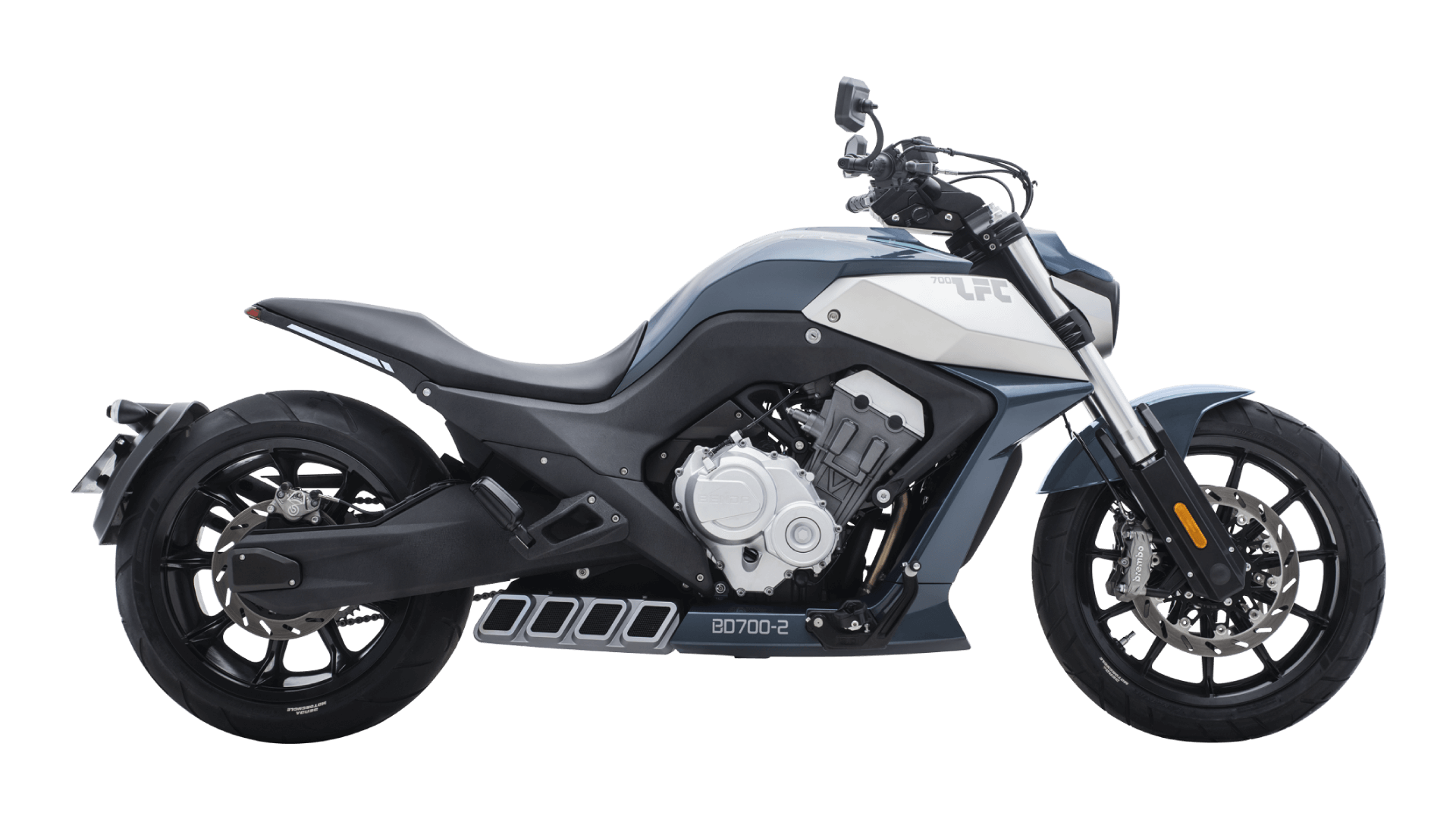
It comes down to simple things that are not so simple: torque curve, gear ratios, and how the frame carries load. The counterbalancer fights shake. ABS and good tires add trust. But some designs chase only peak power. They forget the quiet parts of riding life (wrists, knees, lower back). In Thai style, we like smooth. We like easy maintenance and long rides with no fuss. Look, we want comfort that is real, not just brochure words.
So we ask: which setup gives peace, day after day? Which parts matter most on the open road? Let’s move from feel to facts, then to choices you can test on your own ride—step by step.

Deeper Layer: Hidden Pain Points Riders Don’t Talk About
What are we missing?
Many riders compare cruisers with 500cc sport bikes, but the pain points are not the same. Sport machines often chase a sharper throttle and tight sprocket ratios. That gives snap in town, yet it can push revs high on the highway. More revs mean more NVH, more heat soak, and more fuel burn. A cruiser’s longer wheelbase and softer rake calm the chassis, but if fuel mapping is jerky, your wrists still suffer. If the seat foam packs down, your hips go numb. If the grips are hard, small vibes creep in. Look, it’s simpler than you think: small parts add up. One weak link can turn a good engine into a tiring ride—funny how that works, right?
There is also engine braking. On some midweights, it hits too strong in low gears. In traffic, that makes your neck tight. On hills, the downshift feels harsh. Add wind shear around a flat bar and you get micro-fatigue over time. The real pain is silent and slow: thermal load on your knees, a cramped peg-to-seat triangle, and a throttle that hunts at steady speed. These are not big spec-sheet flaws. They live in the gray zone between design intent and daily use. And they decide how fresh you feel after 200 km.
Forward Look: Tech That Turns Buzz Into Balance
We now see midweight platforms use smarter control to calm the ride. On some 500cc motorcycles, ride-by-wire plus a refined ECU flattens the on-off edge. Gentle initial throttle, then a clean ramp. That reduces surge and keeps wrists happy. A slip/assist clutch cuts lever load and smooths downshifts. Dual counterbalancers spread the shake across phases, so the frame gets less shock. Even the final-drive ratio is tuned for cruise rpm to sit just under the peak torque plateau. Less buzz, more pull. Add better heat shielding and you lower knee temps by a few degrees—small, but you feel it.
Next, chassis. Stiffer triple clamps and compliant fork valving keep the tire in contact without harshness. The brake system, with progressive master cylinder and ABS logic, reduces grabby feel at low speed. This is not just comfort; it is control. Aerodynamic trims around the headlight and tank break up turbulent flow near the chest—small lips, big gains. Compare that to older layouts with simple fueling and fixed maps: they felt alive but also busy. Modern tuning lets the engine breathe while keeping a steady state calm. The result is a bike that sits quiet at cruise, yet wakes up clean when you roll on. Different mood, same heart—your choice by the wrist.
Practical Wrap-Up: How to Choose Calm You Can Measure
From feel to facts, we saw how torque delivery, mapping, and chassis shape comfort. New control systems reduce the little hits that drain energy. To pick your setup, use three easy metrics you can check on a test ride: 1) Cruise rpm at 100 km/h vs. peak torque rpm (closer is better, but not over), 2) Vibration at bars and pegs during a 10-minute steady run (note tingling or numbness), 3) Heat at knees in slow traffic after 15 minutes (touch-test near tank sides, ride safely). Track these, and you will find the quiet machine faster than any spec sheet. Share with friends, compare notes, and choose what fits your road and your body. For more midweight perspectives, see BENDA.